Custom Kitchen Cabinets For Meridian, ID Homes
Meridian kitchens run the full spectrum from period craftsman details in older homes near Meridian City Hall to clean-lined layouts in newer construction.
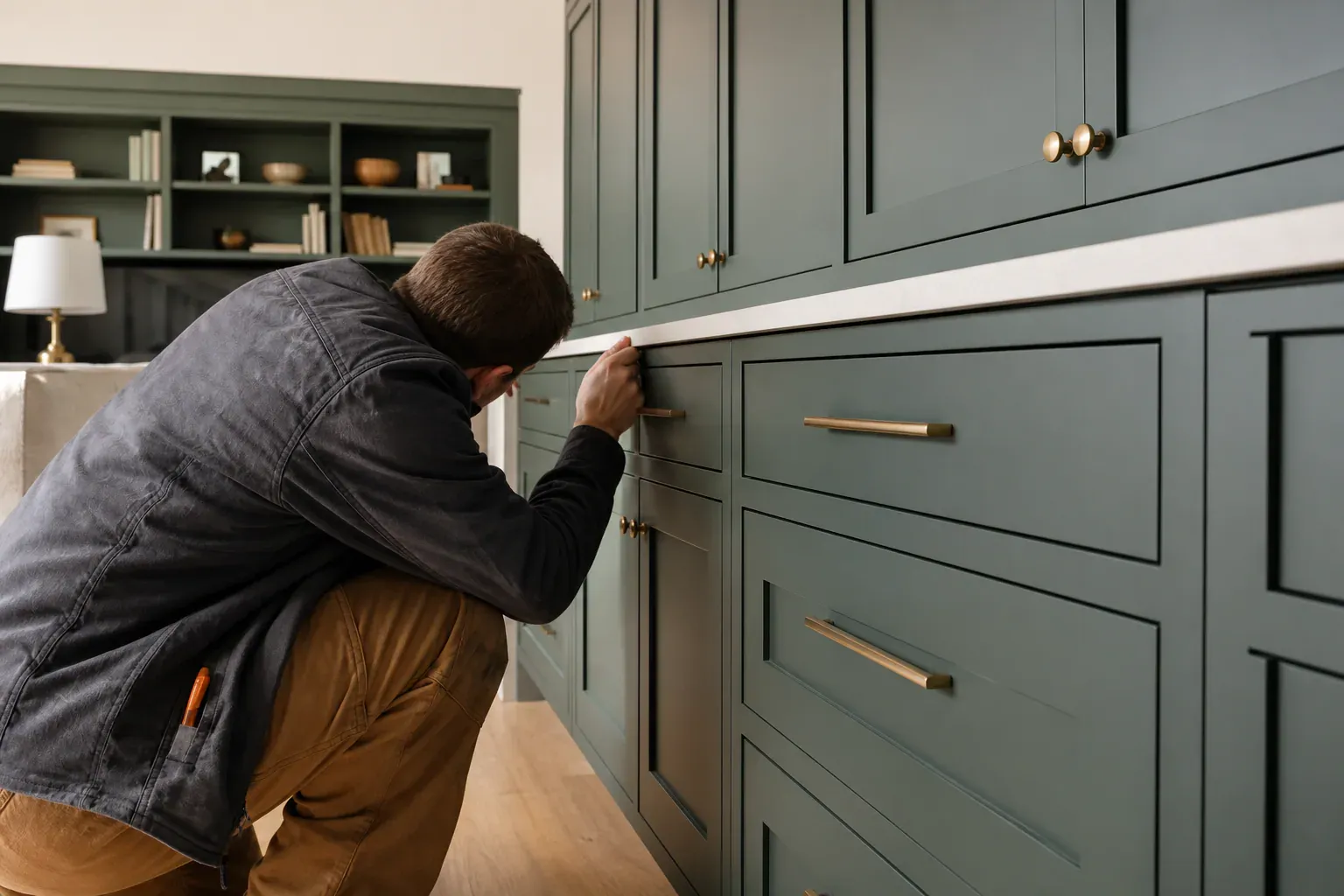
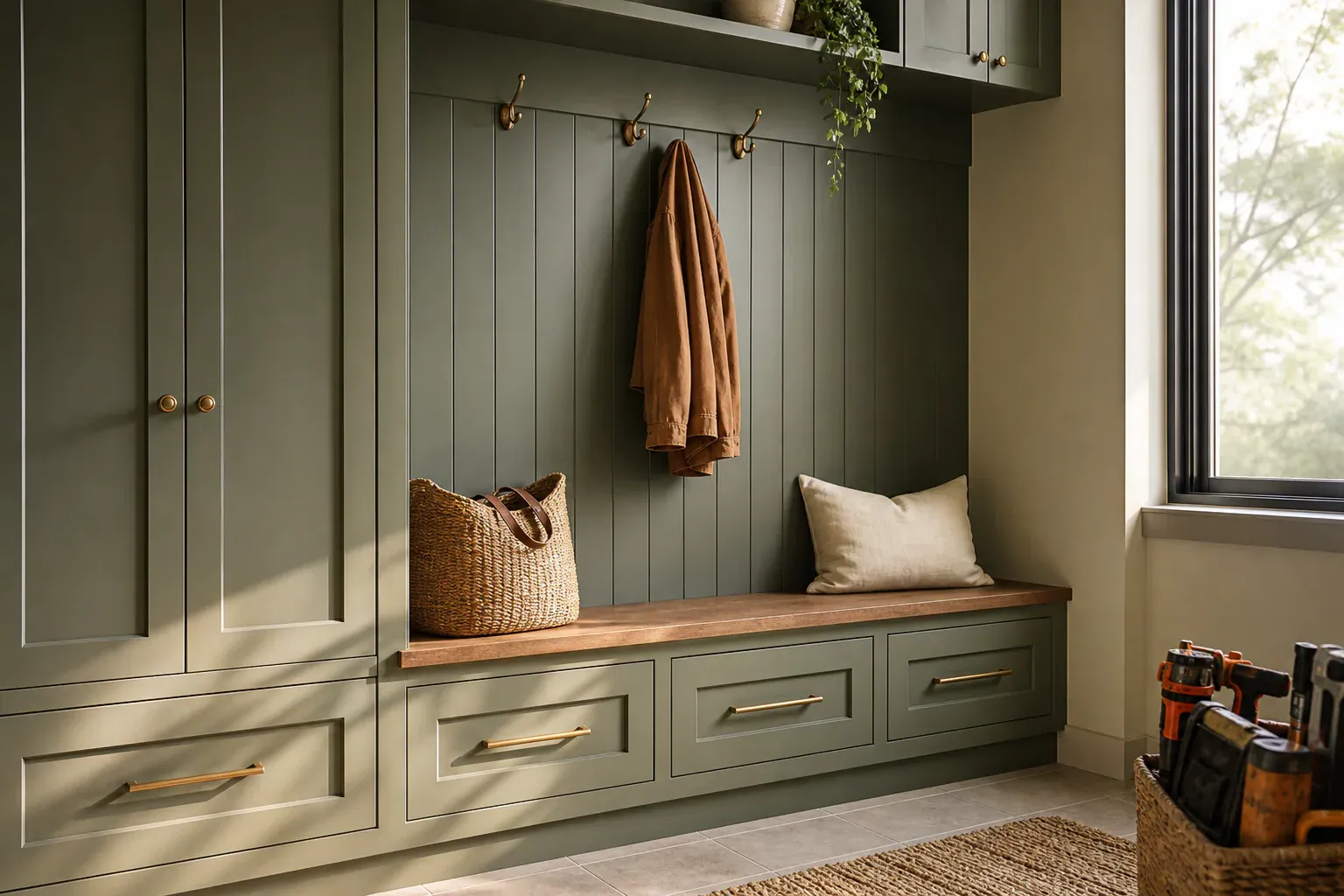
Boise Custom Cabinets builds custom cabinets in Meridian, ID for homeowners and builders who need kitchen cabinetry, bathroom vanity cabinets, and storage solutions tailored to the local climate and housing stock. We handle the full cabinet design process from in-home consultation through installation.
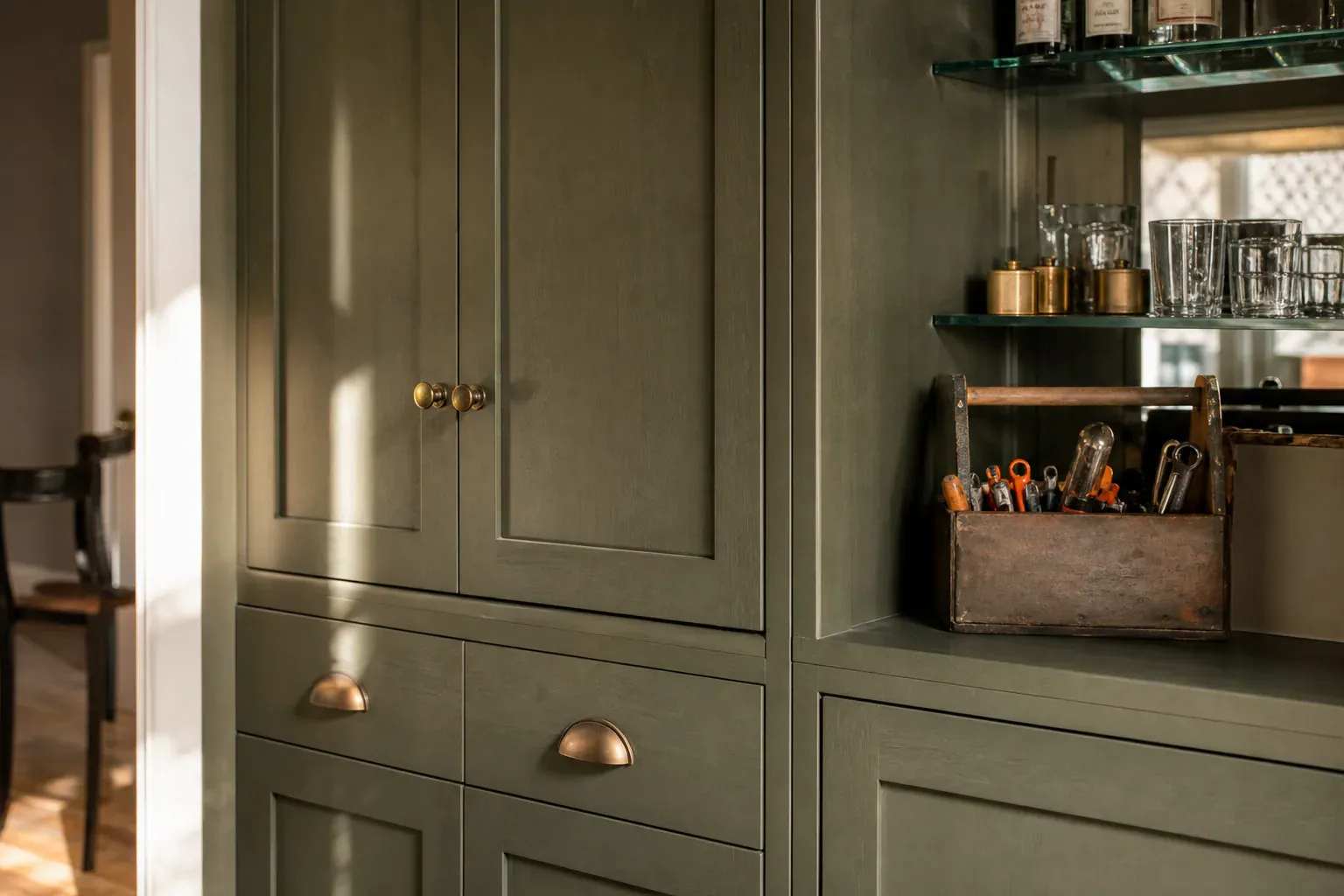
Meridian kitchens run the full spectrum from period craftsman details in older homes near Meridian City Hall to clean-lined layouts in newer construction. Custom kitchen cabinets let you match the scale and finish your space actually needs instead of forcing stock widths or pre-set colors.
We build kitchen cabinetry with raised panel doors for traditional homes and flat panel cabinets for euro-inspired layouts. Shaker cabinets remain the most versatile choice—3/4-inch solid hardwood frames with rail-and-stile joinery handle the seasonal humidity swings without joint separation you see in cheaper cabinet box construction. Raised panel doors add visual depth but require more careful finishing in Meridian's dry air.
Cabinet hardware choices matter more than many homeowners expect. Standard drawer fronts use 3-inch or 3.75-inch bore spacing for door knobs and cabinet pulls. We coordinate cabinet handles, pulls, and knobs across the whole kitchen so the eye tracks consistently. Hardware bore holes are drilled before stain is applied—trying to match boring centers on already-finished doors is guesswork.
The difference between solid hardwood cabinets and plywood box construction is stability and longevity. Hardwood face frames paired with plywood boxes resist the warping and joint failure that solid wood alone can suffer in Meridian's humidity swings—hot dry summers drop relative humidity to single digits while winter moisture spikes create stress across grain direction. Solid hardwood cabinets exposed to these extremes develop checking (fine cracks) and joint separation within five to ten years. A plywood core with hardwood veneer lasts twice as long under the same conditions because the cross-laminated plies distribute stress evenly.
Computerized CNC machinery cuts cabinet panels to under 1/32-inch tolerance, which matters when face frames need to land flush on plywood edges. We source domestic hardwoods and veneers where possible and use euro laminate as a durable alternative when budget or timeline constrains the project. Laminate finishes resist chipping better than thermofoil in daily use and don't require the climate conditioning that stained wood needs. Thermofoil cabinets fail by peeling when exposed to humidity swings; laminate stays bonded for fifteen years or longer.
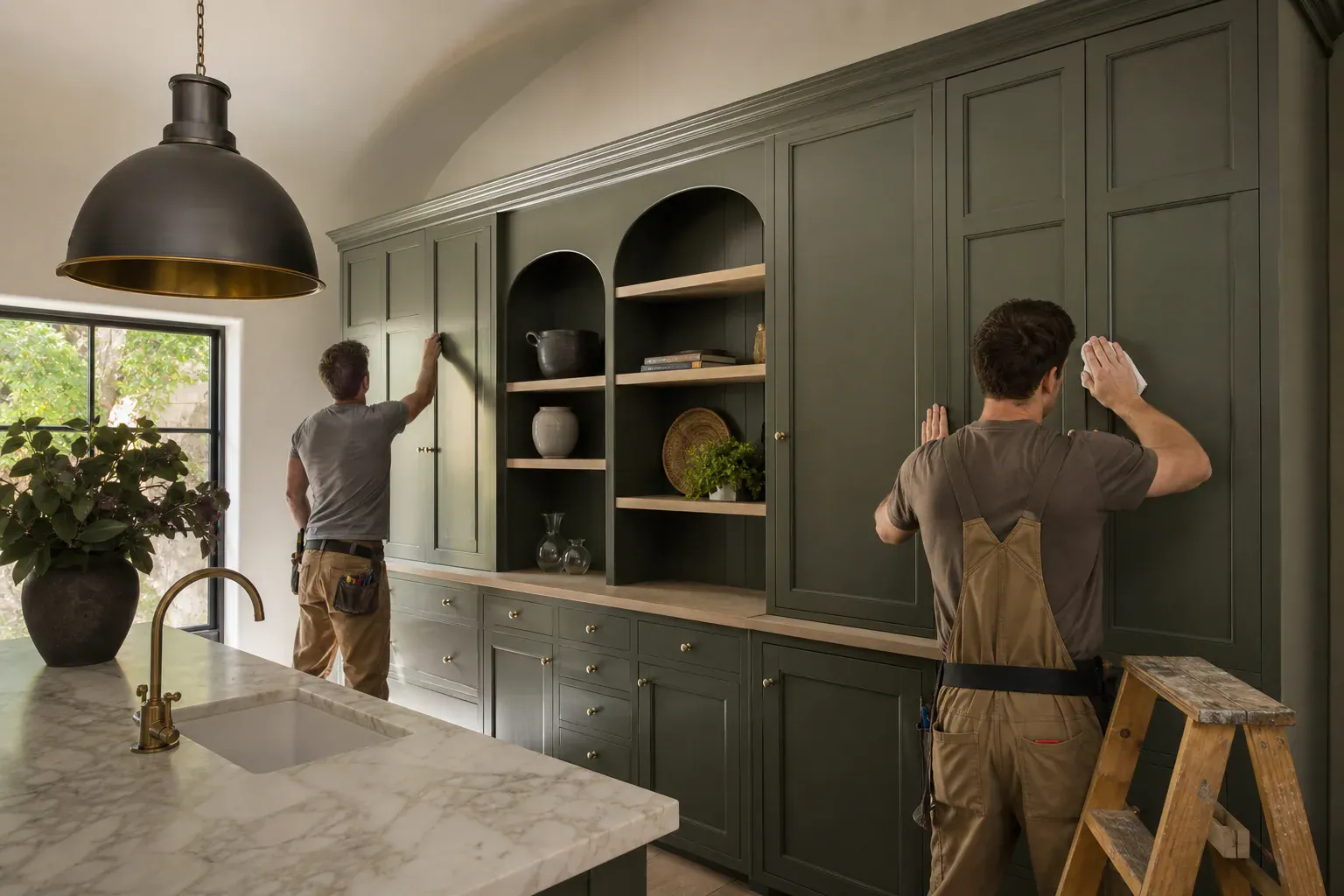
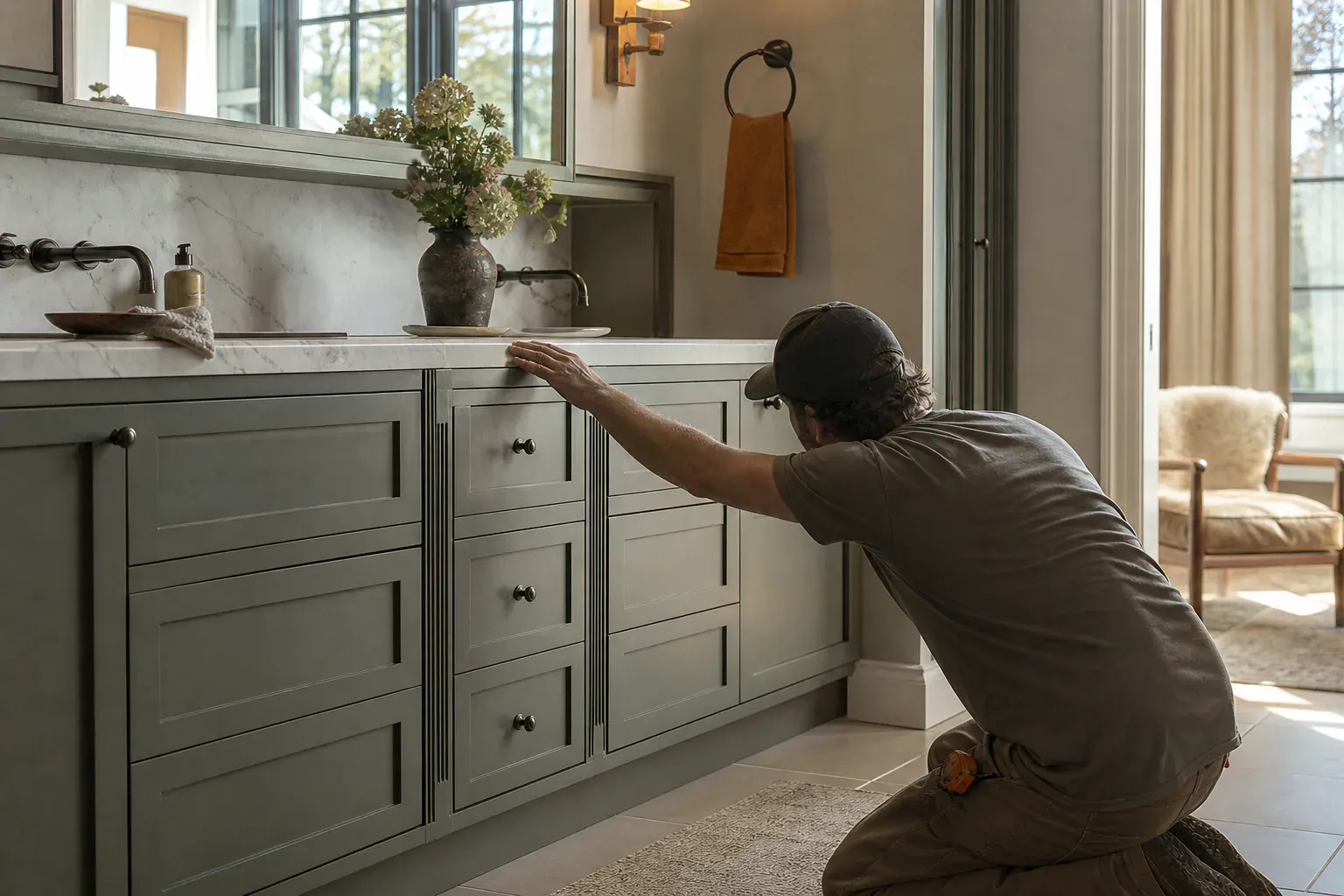
Bathroom vanity cabinets live in a damp environment even in Meridian's semi-arid climate. We build vanity boxes with moisture-resistant plywood near sinks and use solid hardwood frames only where water splash won't pool. A leaking faucet that goes unnoticed for weeks can destroy an otherwise solid cabinet from the inside.
Granite countertop installation requires routing for plumbing and edge finishing on-site, which adds labor and risk of chipping during template fitting. Granite is porous and needs sealing every one to two years in a bathroom—soap and toothpaste stain unsealed granite permanently. Quartz slabs run 2 or 3cm thickness for vanity tops and require no sealing—the nonporous surface resists staining from toothpaste residue and soap scum for the life of the cabinet. Quartz costs more upfront but saves maintenance time and money. Silestone offers the same durability as generic pental quartz at lower cost.
Cabinet glazes chosen to hide daily water splash marks save frustration. Matte finishes hide fingerprints better than gloss, though they require more frequent cleaning in bathrooms. Vanity hardware sized for wet hands means larger pulls spaced far enough apart to grip without fumbling.
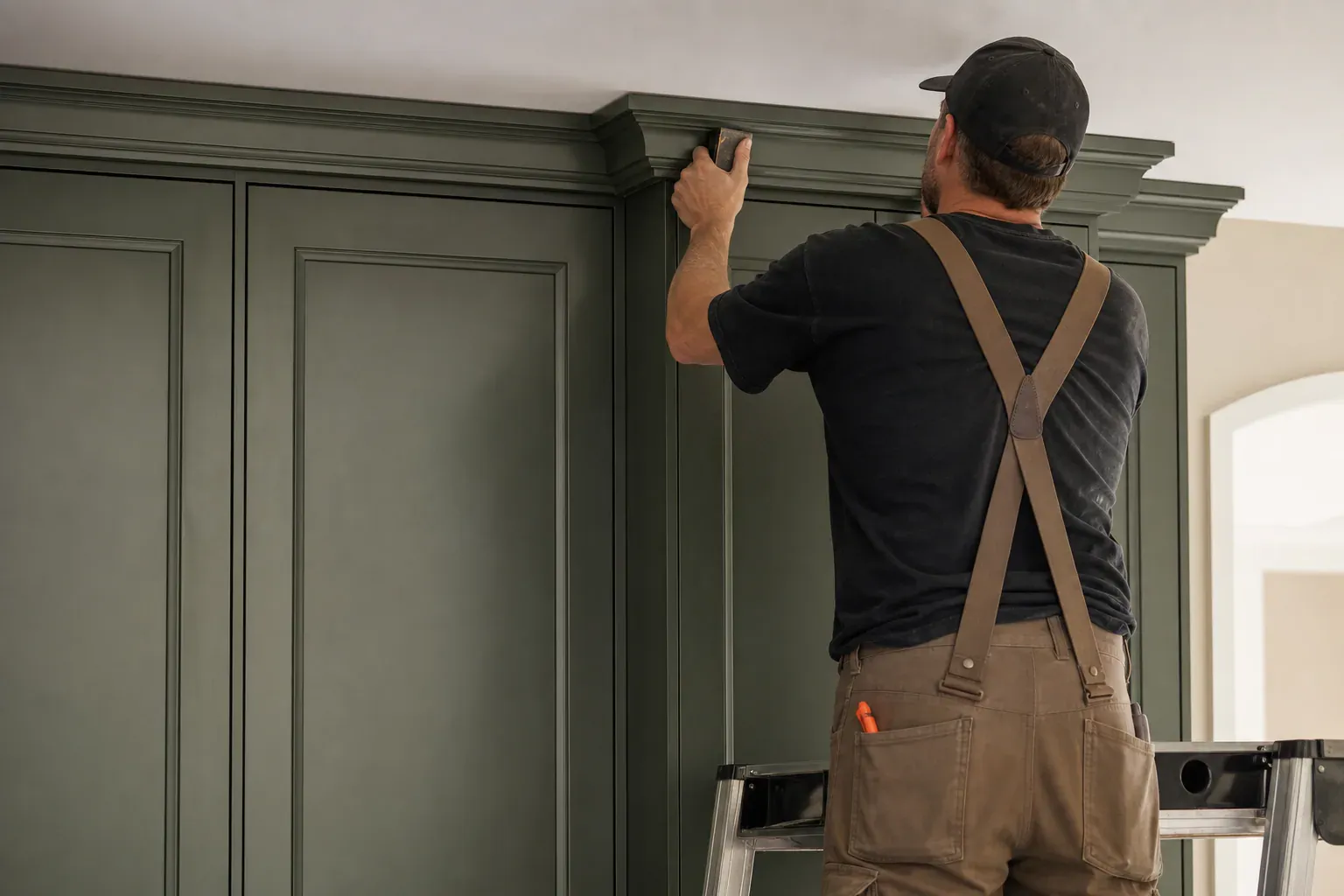
The difference between custom and semi-custom cabinets is flexibility versus timeline. Semi-custom options use pre-set cabinet box widths in 3-inch increments, which means you choose from standard sizes and finishes. Custom cabinet boxes are built to exact wall dimensions, filling every inch without fillers or gaps. Homes near Meridian Settlers Regional Park with standard 8-foot ceilings benefit from taller upper cabinets that run closer to the ceiling line. Homes with uneven walls need custom fillers or angled trim to close gaps between cabinet sides and wall plaster—semi-custom options force you to pay for filler panels that eat into your budget without adding function.
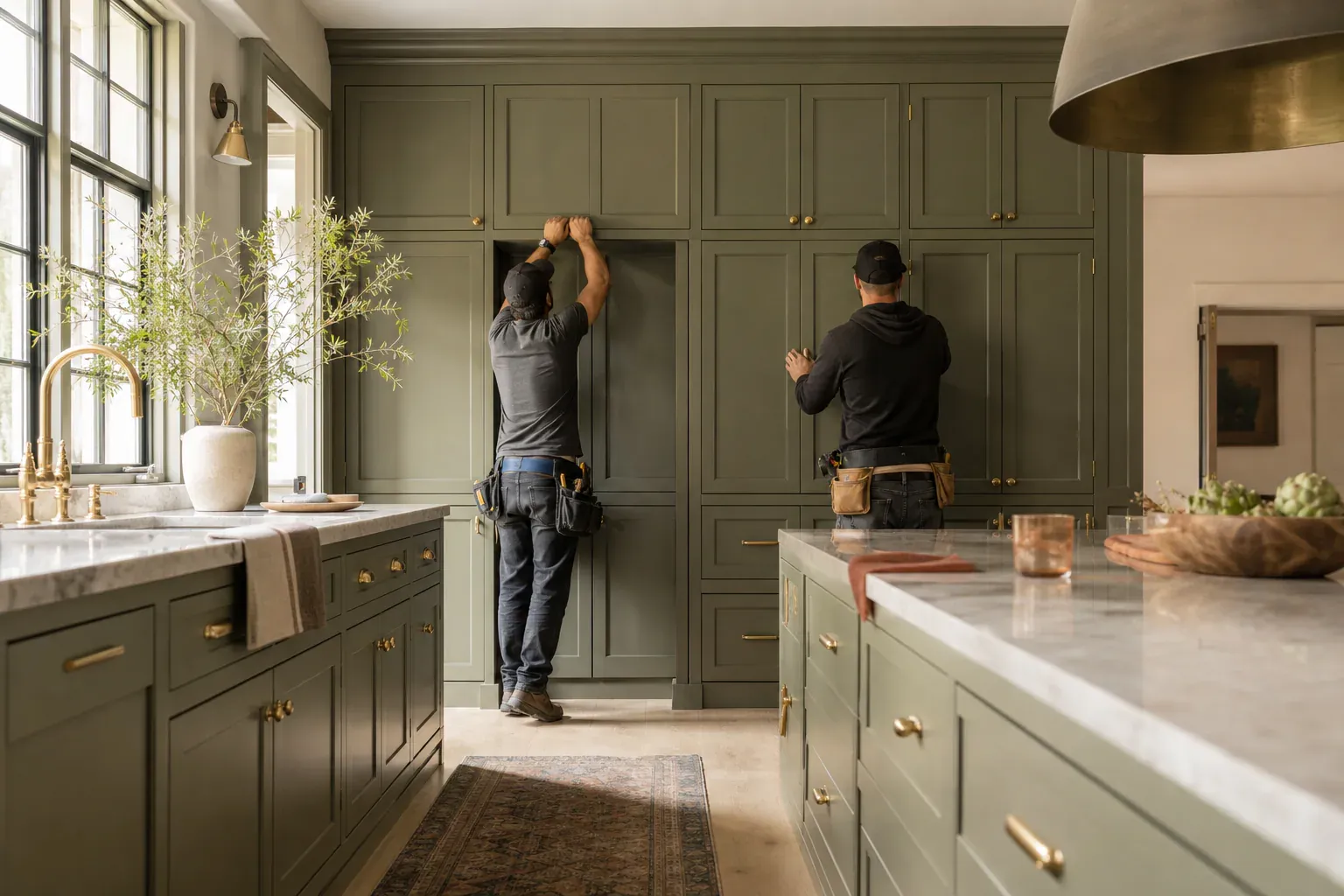
Cabinet door replacement is simpler if the original boxes are sound—you can refresh a kitchen or bathroom by replacing door styles and hardware without the structural work. We offer raised panel doors, shaker cabinets, flat panel cabinets, and craftsman shaker styles. Wood stains are applied in multiple coats with sanding between each for even absorption. Rushing this step shows as blotchy or uneven color, especially on pine and alder where grain density varies. Glazing applied as a final step after base stain cures adds depth and hides dust and fingerprints better than flat stain.
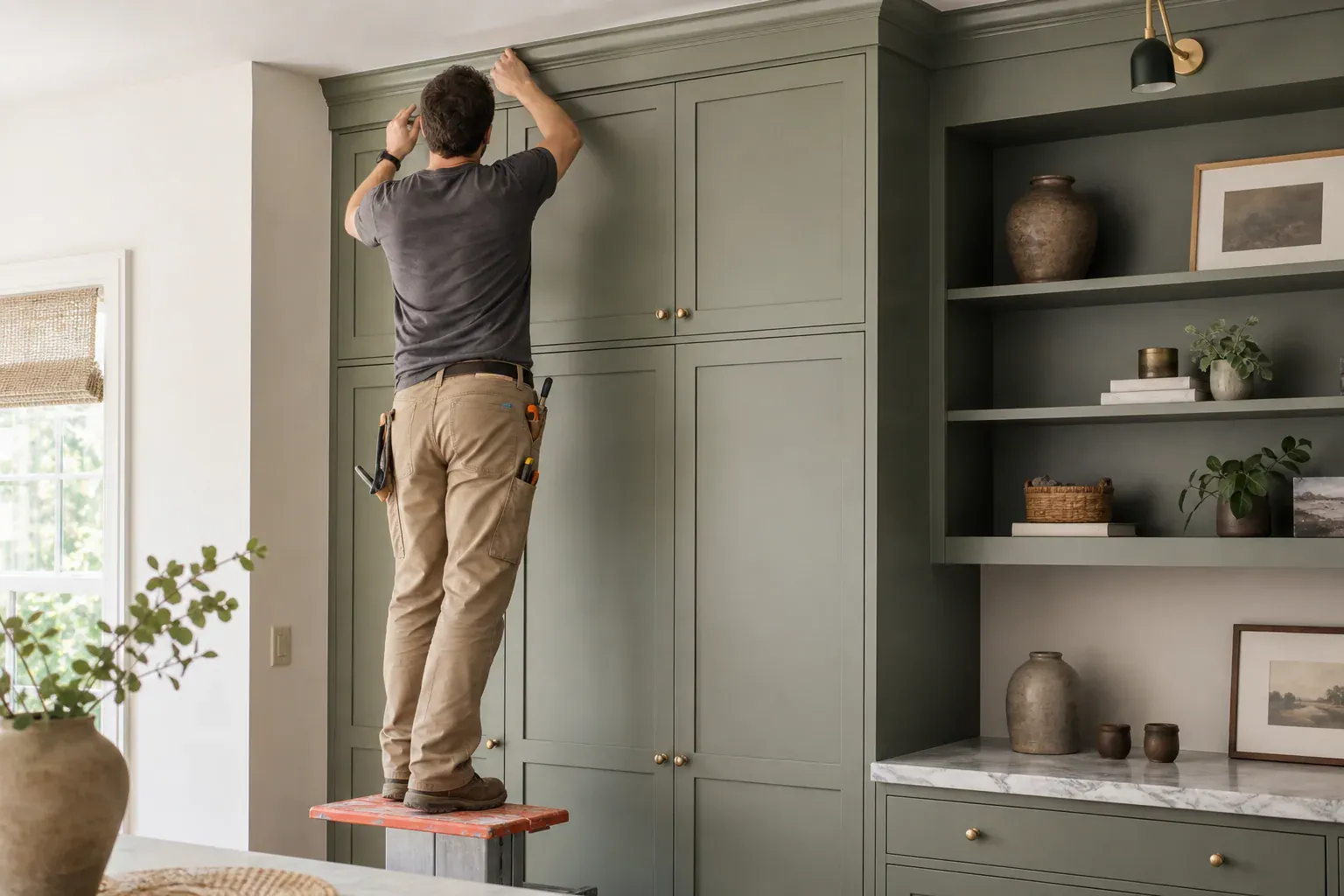
Closet and storage cabinets follow the same logic as kitchen cabinetry. A bedroom closet built to exact width and depth costs more upfront but gains 15 to 20 percent more usable volume than stock shelving. Office cabinetry benefits from custom depth—a desk credenza built to match monitor depth and keyboard landing spots saves clutter and keeps equipment organized. Drawer fronts on storage cabinets should be braced internally if they'll carry weight; flimsy face-frame construction sags within a season of loaded drawers.
Commercial cabinet design for restaurants or office buildings in the area follows residential principles but adds durability testing for higher-traffic use. Stainless steel hardware and reinforced drawer slides handle the wear that comes with daily use in a workplace. Installation in commercial spaces requires coordination with building systems and often happens outside business hours to avoid disruption.
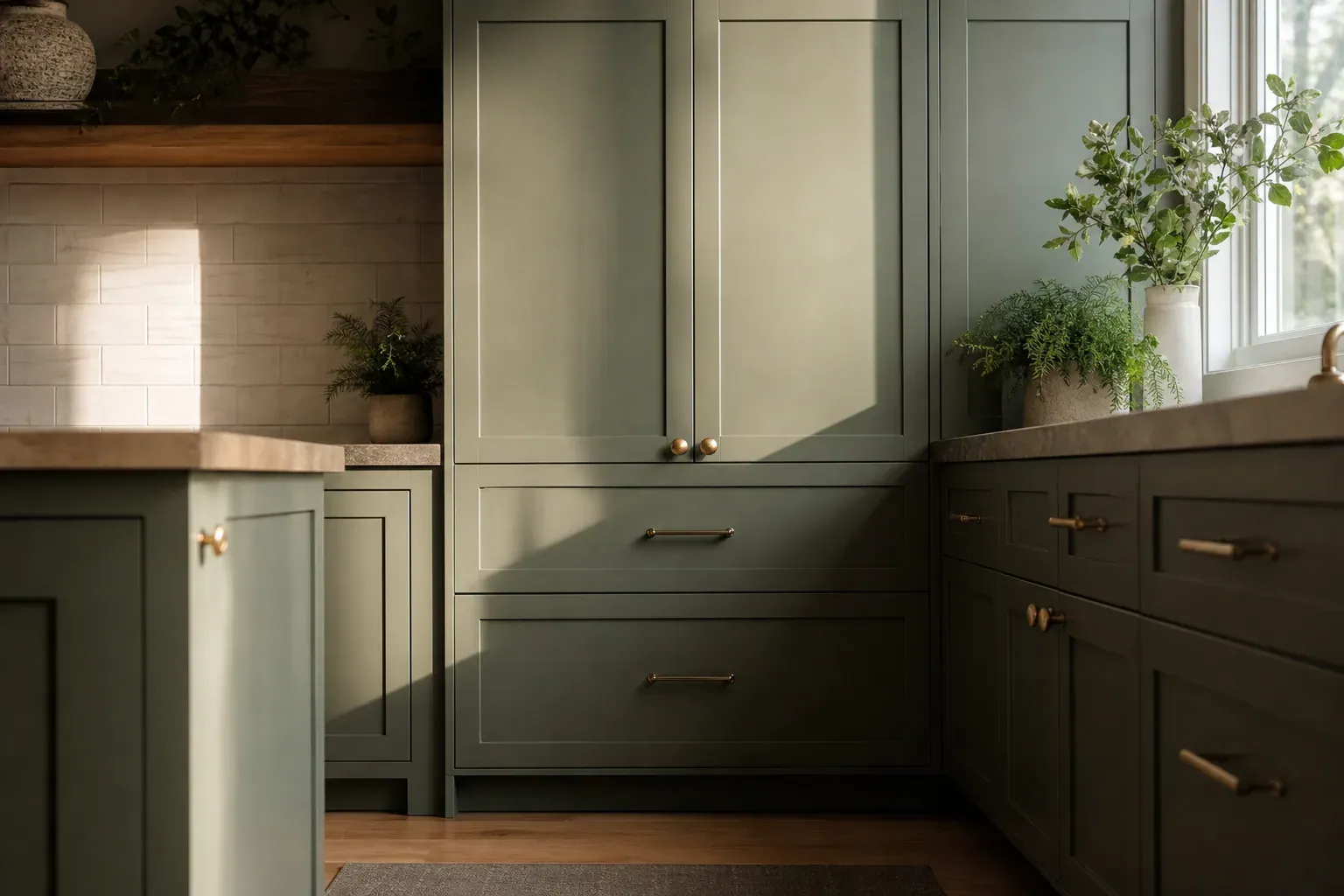
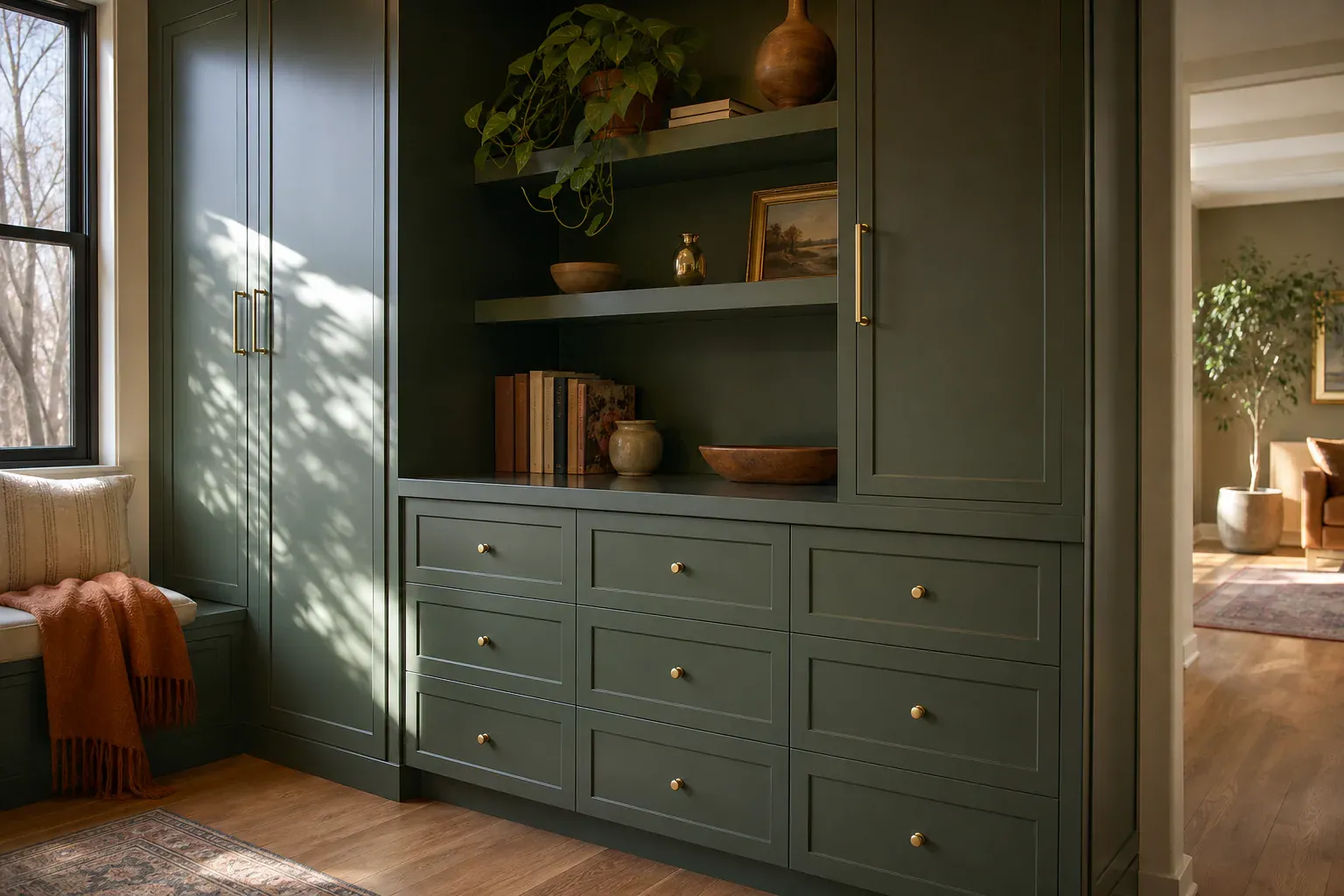
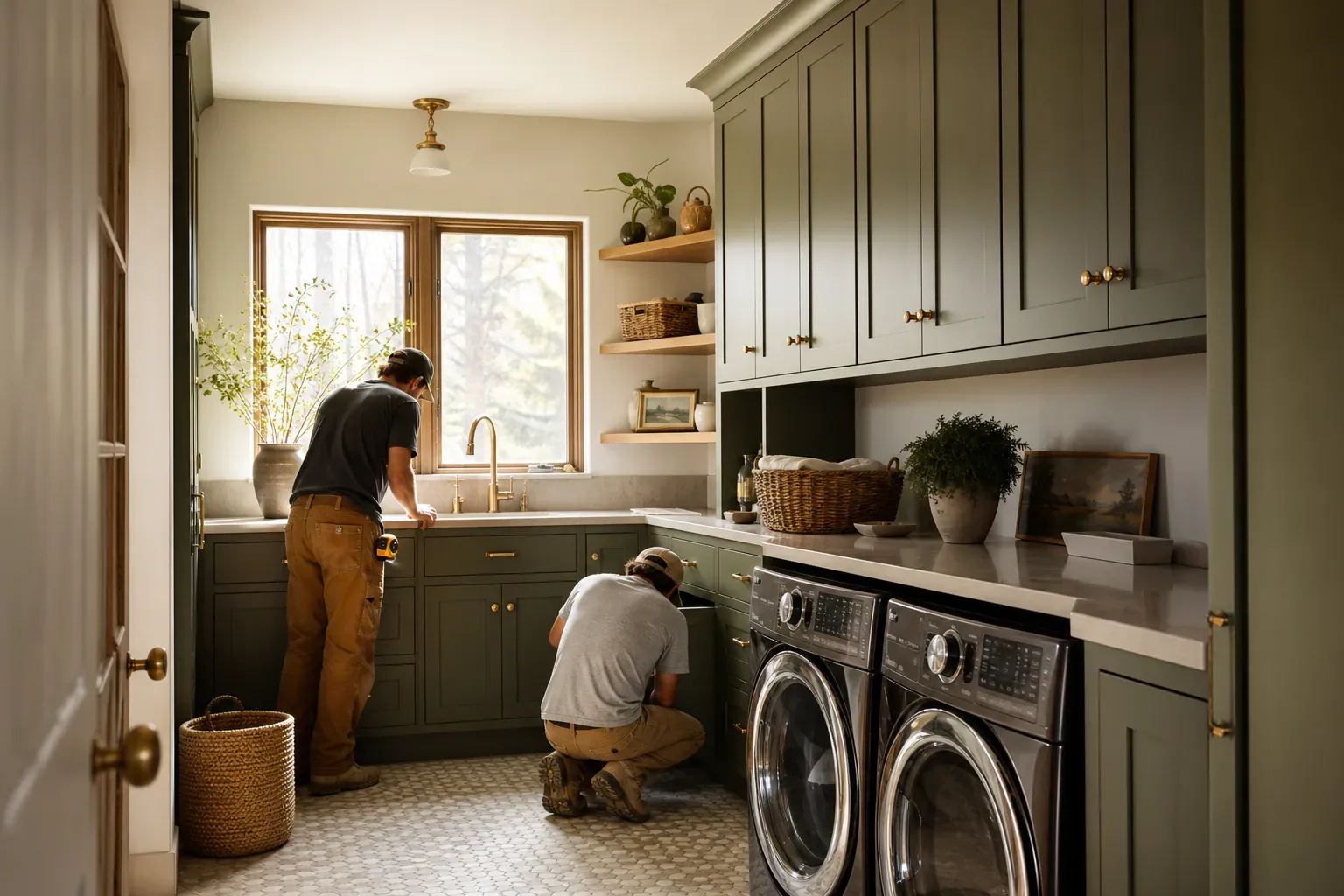
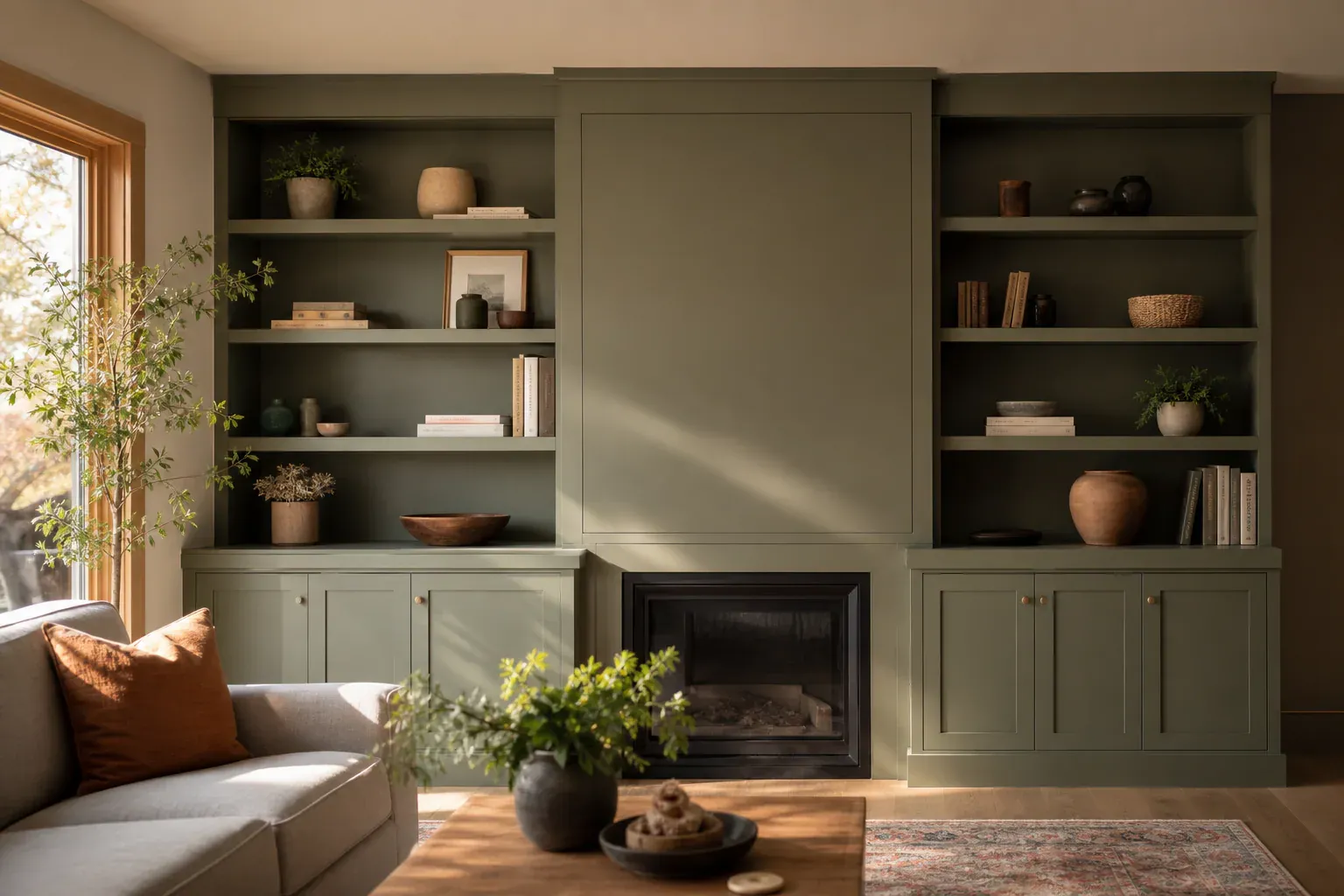
The cost of custom cabinets depends on square footage, finish level, and material choices. A basic kitchen with painted plywood boxes and standard hardware costs less than a high-end installation with hand-stained hardwood and specialty pulls. Access to the kitchen during demolition and installation also affects price—a tight working space takes longer and costs more labor. Semi-custom cabinets run 30 to 40 percent less than fully custom work but give up wall-to-wall coverage and the ability to match exact design details.
Production timelines vary by complexity. A full kitchen remodeling or bathroom remodeling with custom cabinets and countertops usually spans four to eight weeks from approval to final hardware installation. Design and shop drawings take one to two weeks. Production requires three to six weeks depending on door style and finish. Installation itself—upper cabinets, base cabinets, countertop template, and hardware—usually spans two to four days for a standard kitchen.
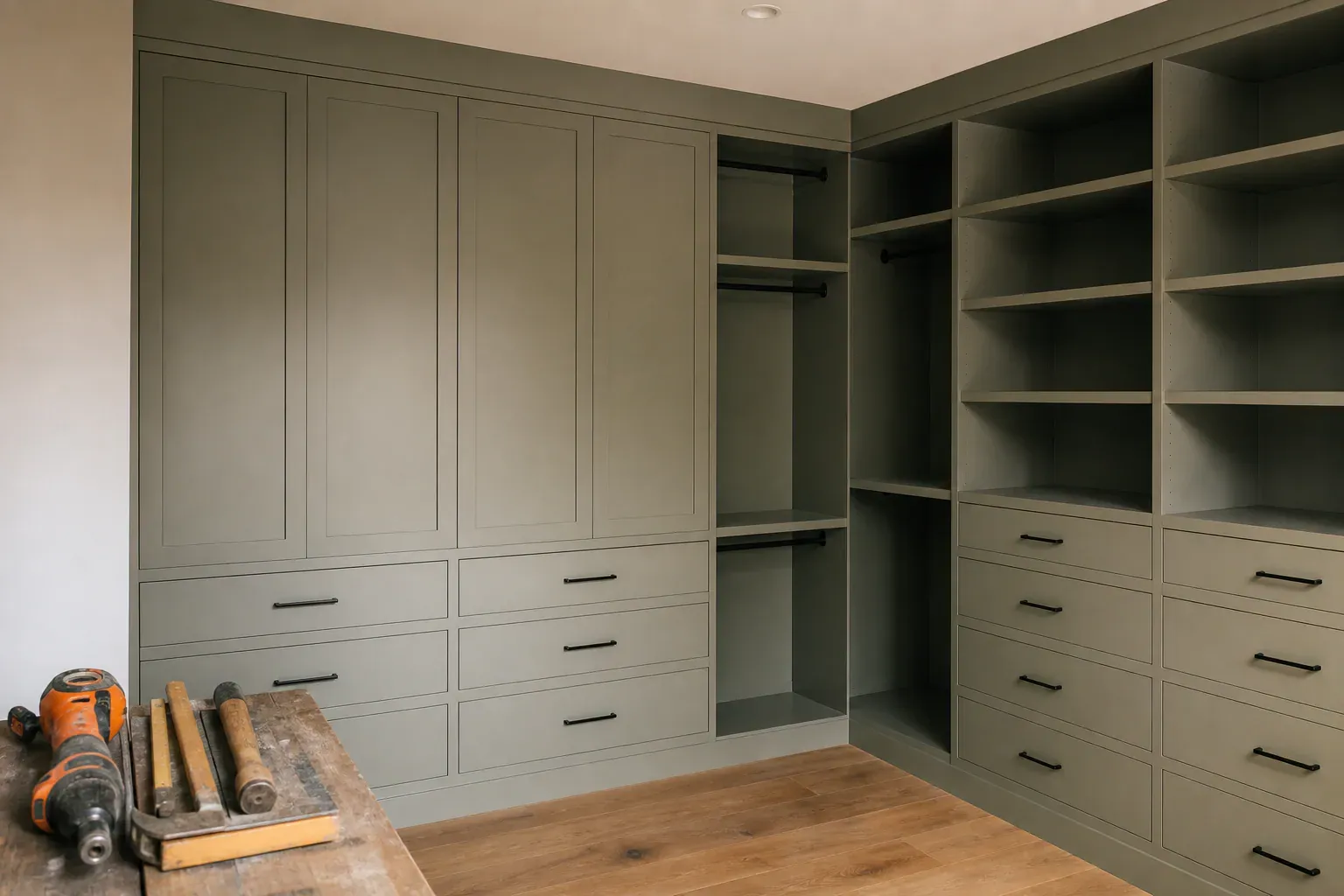
Meridian's seasonal extremes demand maintenance that many homeowners overlook. Wood finishes crack under the stress of 100-degree summer heat followed by freezing winters. We recommend conditioning cabinet finishes twice yearly in spring and fall—once before the extreme dry season and once before winter heating dries interior air to 15 percent humidity. Outdoor cabinets face temperature swings that exceed indoor conditions and must be built with marine-grade or weather-resistant materials to survive without joint separation. Wine storage cabinets need periodic conditioning to prevent cracking in the low-humidity months common to semi-arid Meridian.
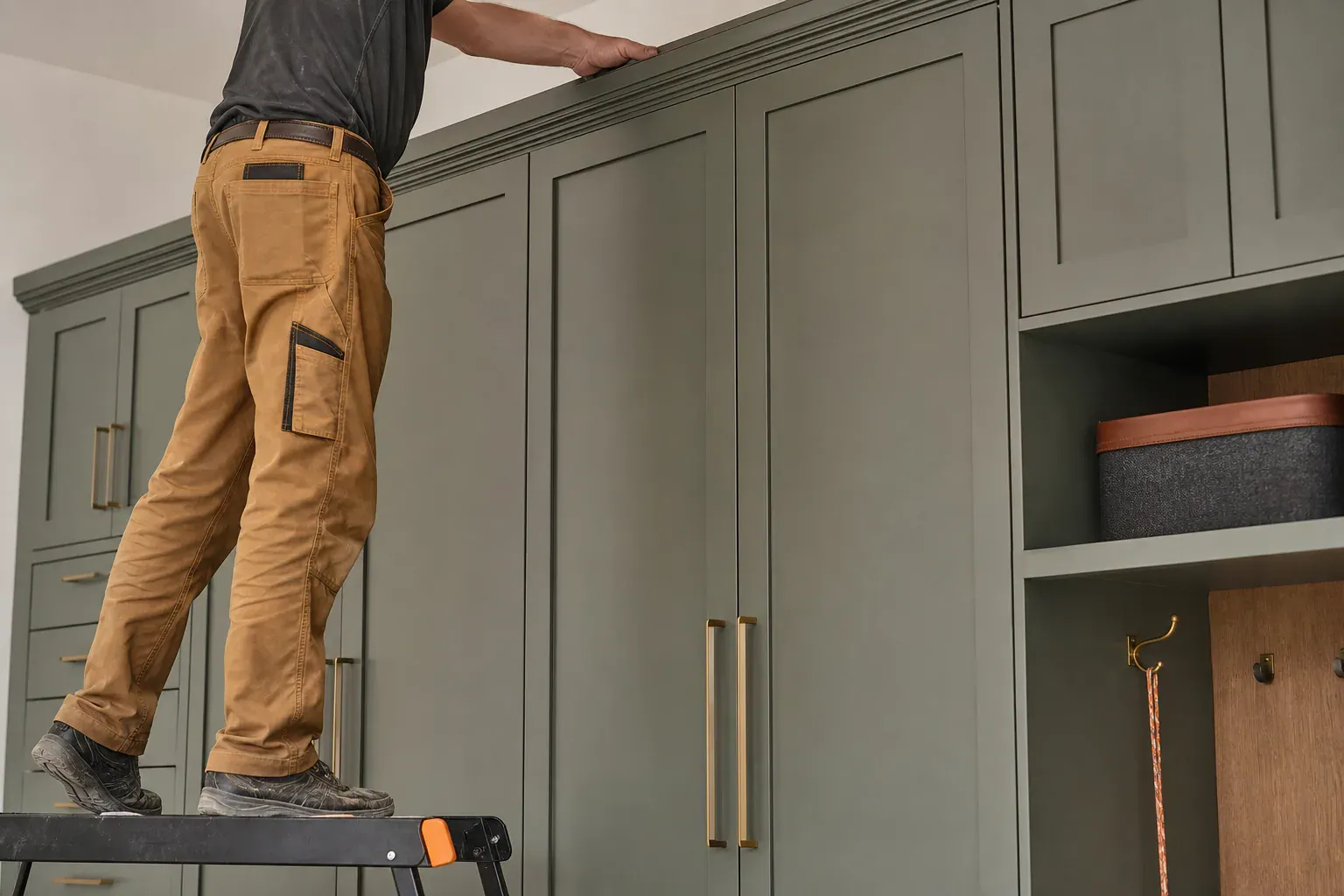
Every project starts with an in-home cabinet consultation where we measure wall dimensions, ceiling height, window and door openings, and existing plumbing or electrical runs. Poor measurements at this stage create impossible fitting problems during installation. We return with design drafts showing door styles, hardware placement, and countertop layout. Once you approve the draft, shop drawings are created with exact dimensions for each cabinet run. Production begins only after approval—changes to approved drawings cost time and money.
Meridian's weather swings—from summer heat that cracks poorly sealed wood to winter moisture that warps particle board—mean your cabinet material choice matters more than most homeowners realize. We spec three main material classes, each with different failure modes in our climate.
Solid wood cabinets hold up longest if finished correctly. Cherry, maple, and oak absorb and release moisture with seasonal shifts, which is why we sand to 120 grit, apply a quality polyurethane or conversion varnish, and leave a 1/16-inch gap at the back so the cabinet box can move without the doors binding. Solid wood runs higher in cost, but a maple shaker cabinet will outlast the house if you dust it and wipe spills before they sit. The downside: direct sunlight through south-facing kitchen windows will fade stain over ten to fifteen years, and you'll need to recoat the exposed faces eventually.
Plywood-veneer cabinets offer better stability in Meridian's dry-cold winters. We use ¾-inch birch plywood for the boxes—it won't cup or warp the way MDF does—and apply iron-on or adhesive veneer to the faces. Veneer is thinner than solid wood, so router bits can break through if someone refinishes them poorly, but a first-time refinish done right will last. Cost sits between solid wood and particle board, and you get real wood grain without the seasonal wood movement.
Melamine and laminate cabinets are budget-friendly and moisture-resistant, which matters in bathrooms or kitchens near outside walls where condensation pools. They don't accept stain, so color is locked when you buy. The durability trade-off: edges chip more easily, the face won't sand and restain, and if the core delaminates from humidity spikes, you're replacing, not refinishing. Melamine is fine for a guest bathroom or a basement office, but not for a high-use kitchen where you'll want to refresh the look in ten years.
Budget and pricing breakdown depends on material choice, cabinet count, door style complexity, and finish level. A simple shaker door on birch plywood costs less than a raised-panel solid cherry door with hand-applied stain. Countertop material—granite, quartz, or laminate—stacks onto the total. Granite runs higher per square foot but needs sealing every one to three years in Meridian's water; quartz needs no sealing and is more forgiving for a kitchen that takes abuse. We break down the cost per linear foot of cabinetry, per door, and per countertop so you see where your budget goes and where you can adjust without cutting corners that matter.
Meridian kitchens run the full spectrum from period craftsman details in older homes near Meridian City Hall to clean-lined layouts in newer construction.
The difference between solid hardwood cabinets and plywood box construction is stability and longevity.
Bathroom vanity cabinets live in a damp environment even in Meridian's semi-arid climate. We build vanity boxes with moisture-resistant plywood near sinks and use solid hardwood frames only…
The difference between custom and semi-custom cabinets is flexibility versus timeline. Semi-custom options use pre-set cabinet box widths in 3-inch increments, which means you choose from…
Cabinet door replacement is simpler if the original boxes are sound—you can refresh a kitchen or bathroom by replacing door styles and hardware without the structural work.
Closet and storage cabinets follow the same logic as kitchen cabinetry. A bedroom closet built to exact width and depth costs more upfront but gains 15 to 20 percent more usable volume than…
Why homeowners call us
Every custom cabinets job is scoped and priced in writing, so the number you approve is the number you pay. If something behind the wall changes the work, we stop and price it first.
You speak to the people doing the work, not a call centre, and cover certificates go to your building manager or general contractor on request.
Containment, floor protection and same-day debris removal on every interior job — the space stays usable while the work is going on.
Crews work Meridian and the surrounding cities every week, so a walkthrough is usually available within the same week you call.
FAQ
Custom cabinets are built to exact wall dimensions and can be any size, depth, or height you need. Semi-custom cabinets come from pre-set box widths, usually in 3-inch increments, so you choose from available sizes. Custom costs more and takes longer but fills every inch of wall space. Semi-custom is faster and less expensive but may need filler panels to fit uneven walls or non-standard openings.
The process typically takes four to eight weeks from approved design to final installation. Design and shop drawings take one to two weeks. Production requires three to six weeks depending on door style and finish. Installation itself—upper cabinets, base cabinets, countertop template, and hardware—usually spans two to four days for a standard kitchen.
Wood finishes crack under temperature swings between 100-degree summers and freezing winters. Condition cabinet finishes twice yearly—once in spring before the dry season and once in fall before winter heating drops indoor humidity below 20 percent. Granite countertops need sealing every one to two years. Quartz requires only cleaning and no additional maintenance. Outdoor cabinets and wine storage should be conditioned on the same spring-and-fall schedule to prevent checking and joint separation.
Call (208) 555-0116 and we will come out and price the work in writing.