Custom Kitchen Cabinets Built for Boise Homes
Custom kitchen cabinets are designed for your exact space and appliance cutouts, use materials and construction grades you select, and arrive pre-assembled and finished from the shop.
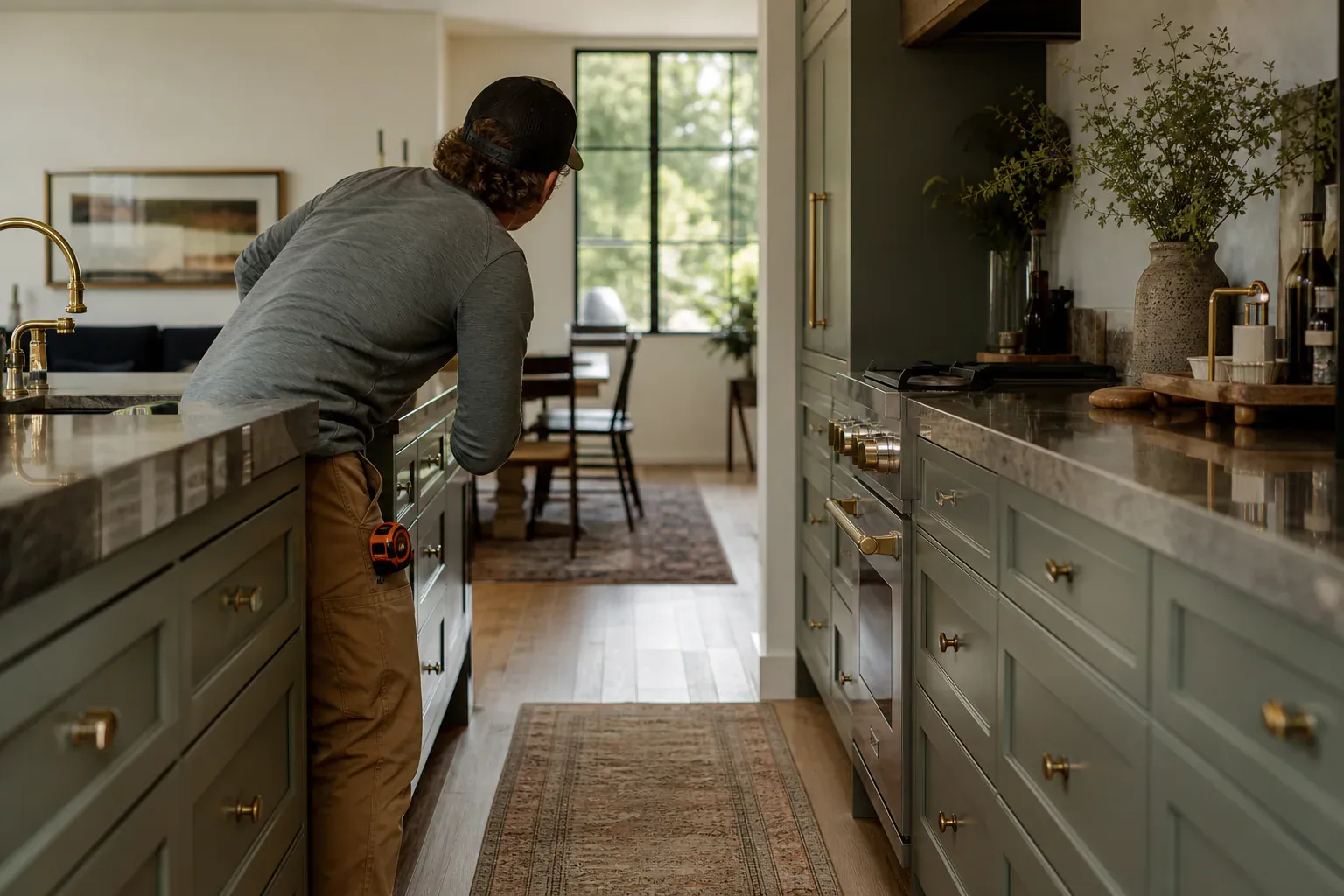
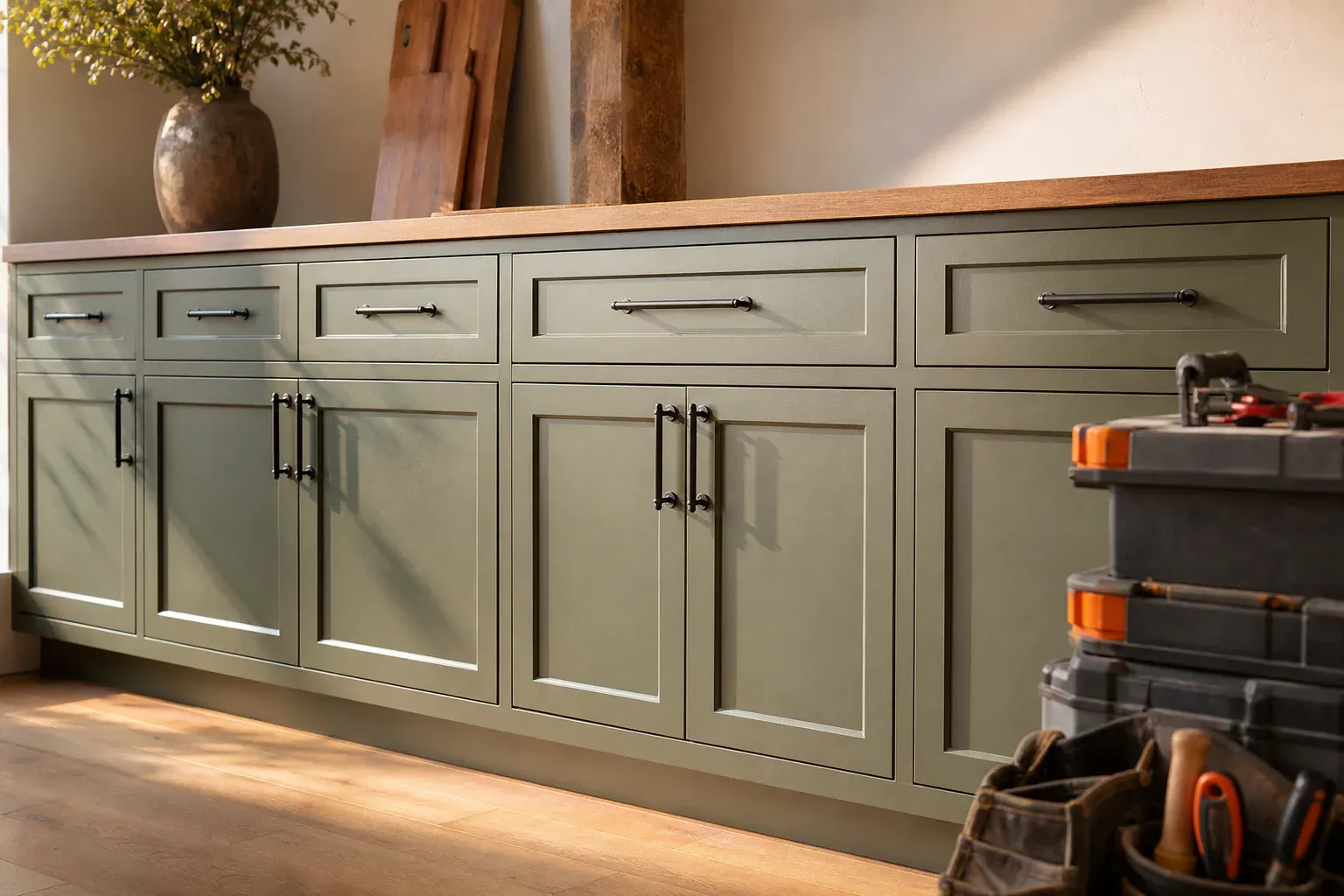
Boise Custom Cabinets provides custom kitchen cabinets, semi-custom cabinets, ready-to-assemble cabinets, cabinet design services, and installation across Boise, ID. Custom cabinets let you control the layout, materials, finishes, and hardware. We build to your exact space, your taste, and your budget.
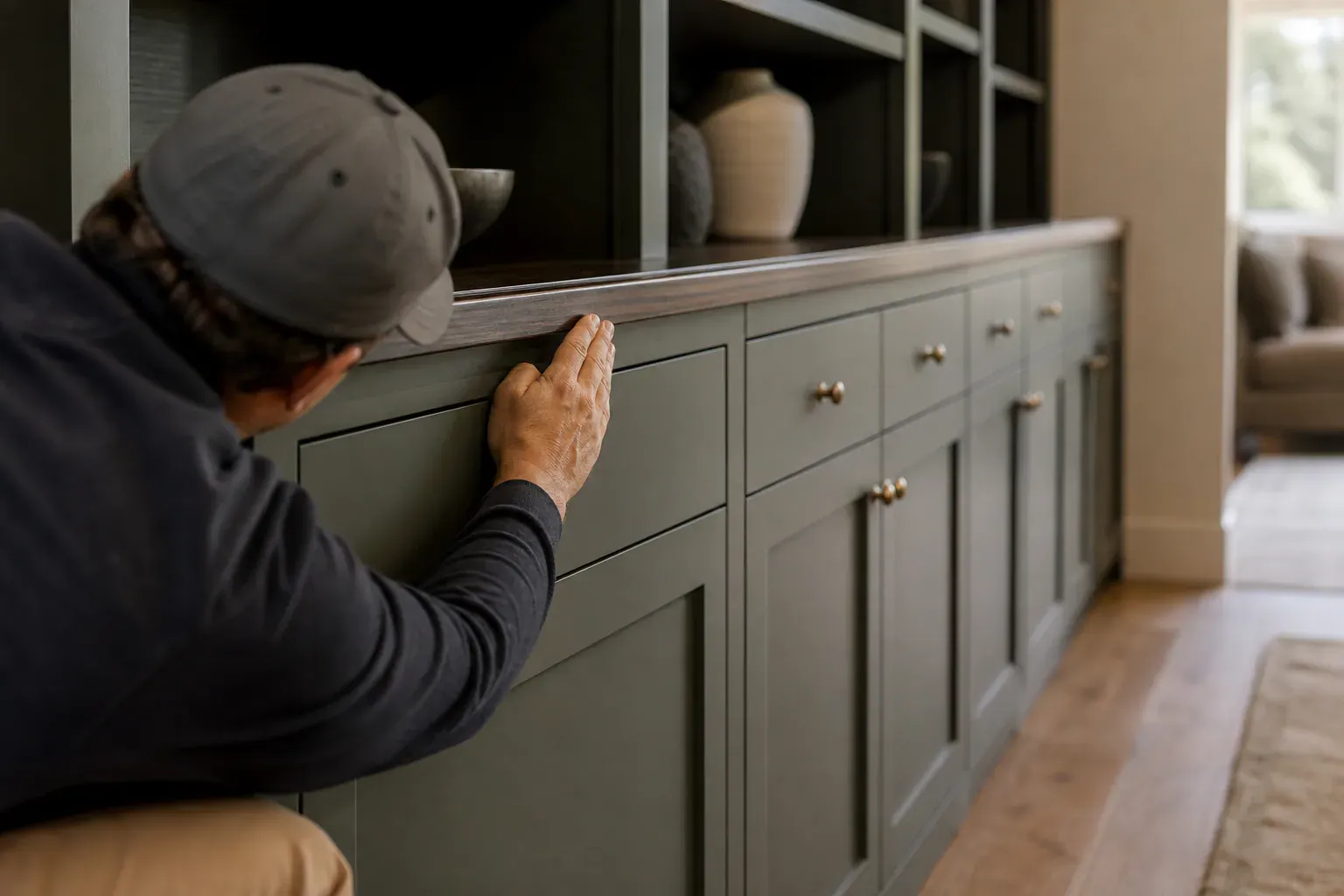
Custom kitchen cabinets are designed for your exact space and appliance cutouts, use materials and construction grades you select, and arrive pre-assembled and finished from the shop. Semi-custom cabinets come from a manufacturer's standard library of sizes and door styles with some layout customization. Ready-to-assemble cabinets ship flat-packed and require owner assembly.
Most custom kitchen cabinets use one of two framing approaches. Framed construction has a solid hardwood face frame attached to the box, leaving a visible reveal between the door edge and the frame. This works well for stain-grade finishes where you want the frame wood visible. Frameless construction, also called full overlay cabinetry, mounts doors directly to the cabinet sides with minimal reveal, creating a cleaner modern look and more interior storage space per footprint.
A cabinet design consultation walks you through your existing layout, appliance locations, and style preferences. We create a 3D cabinet design rendering so you see how the cabinets will look before we build them. This step catches errors—like an island that's too deep for your room or upper cabinets that block a window—before materials are ordered.
Custom cabinets cost more but fit exactly and skip assembly problems. Ready-to-assemble cabinets save money upfront but trade labor and assembly risk to you.
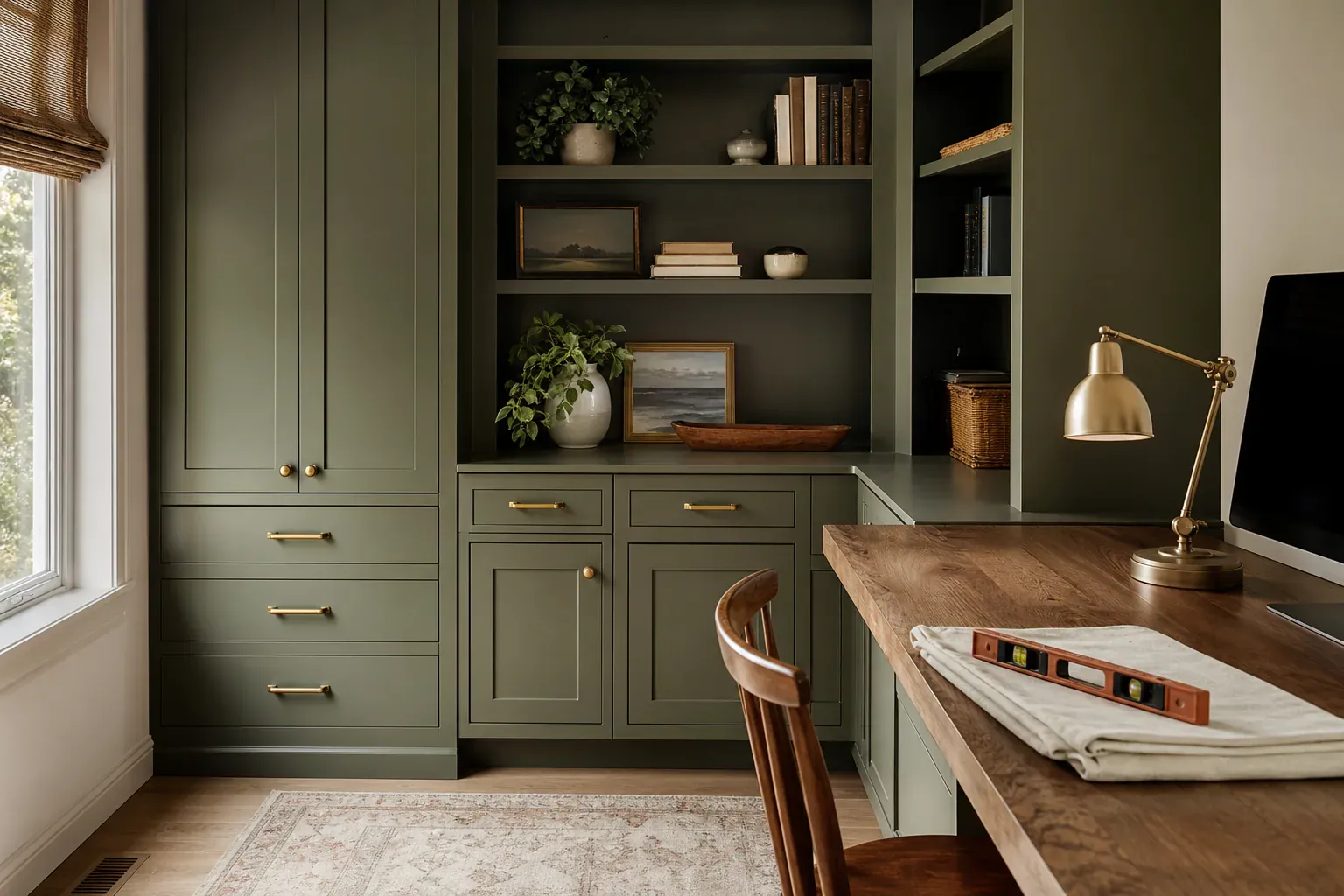
The cabinet box is the working part. All-plywood construction uses 1/2 inch to 3/4 inch plywood for the sides, top, bottom, and back, creating a rigid structure that resists racking and warping over years of seasonal humidity change in Boise. Plywood is the standard for painted and stain-grade custom work.
Some shops use MDF or HDF materials for painted door panels because these engineered woods are dimensionally stable and resist the warping that solid wood can show in Boise's dry winters and humid summers. The cabinet box itself should be plywood. A cheaper cabinet uses MDF or HDF throughout, which works but is not as durable under load or moisture stress.
Drawer quality appears in the joinery. Dovetail joinery, where the drawer sides interlock with the front and back, is stronger and lasts longer than stapled butt joints where sides are simply nailed to the front. Dovetail drawers handle heavy loads without separating. Most semi-custom and ready-to-assemble cabinets use butt joints to cut costs.
Face frames and door frames on stain-grade custom work are hardwood—typically oak, maple, or cherry—because these species hold stain evenly and show grain clearly. The hardwood signals durability and makes refinishing possible decades later. Painted cabinets can use softwood or hardwood frame under the finish; the paint hides the species.
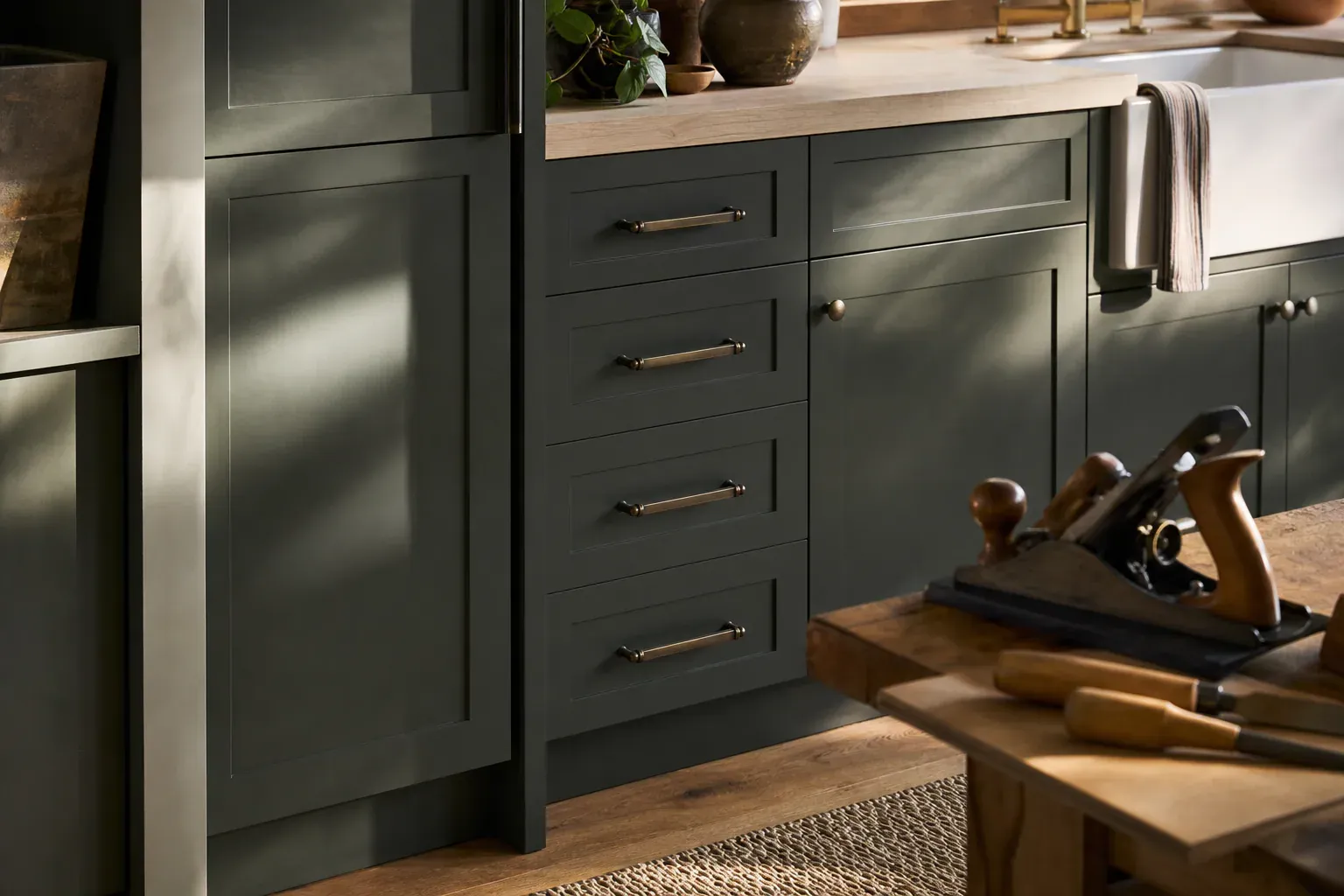
Shaker style cabinets remain the most requested profile because they suit both traditional and transitional kitchens. Shaker cabinets have a frame-and-panel door with a recessed center and clean lines. Flat front cabinets—a simple panel with no frame or recess—work better for modern kitchens and cost less to build.
Cabinet finishes fall into two categories. Painted finishes offer any color and hide wood grain. Stain finishes show the wood grain and depend on the wood species you choose. Premium baked-on factory finishes are cured in heat after application, creating a harder, more chip-resistant surface than brushed finishes applied on-site.
Wood species matter in Boise's climate. Maple and quarter-sawn oak are stable species that handle the dry winters and occasional summer humidity without much seasonal movement. Cherry, while visually appealing, shows more seasonal movement and can warp or cup if humidity swings are extreme. If you want cherry, plan for thicker panels and acknowledge the risk.
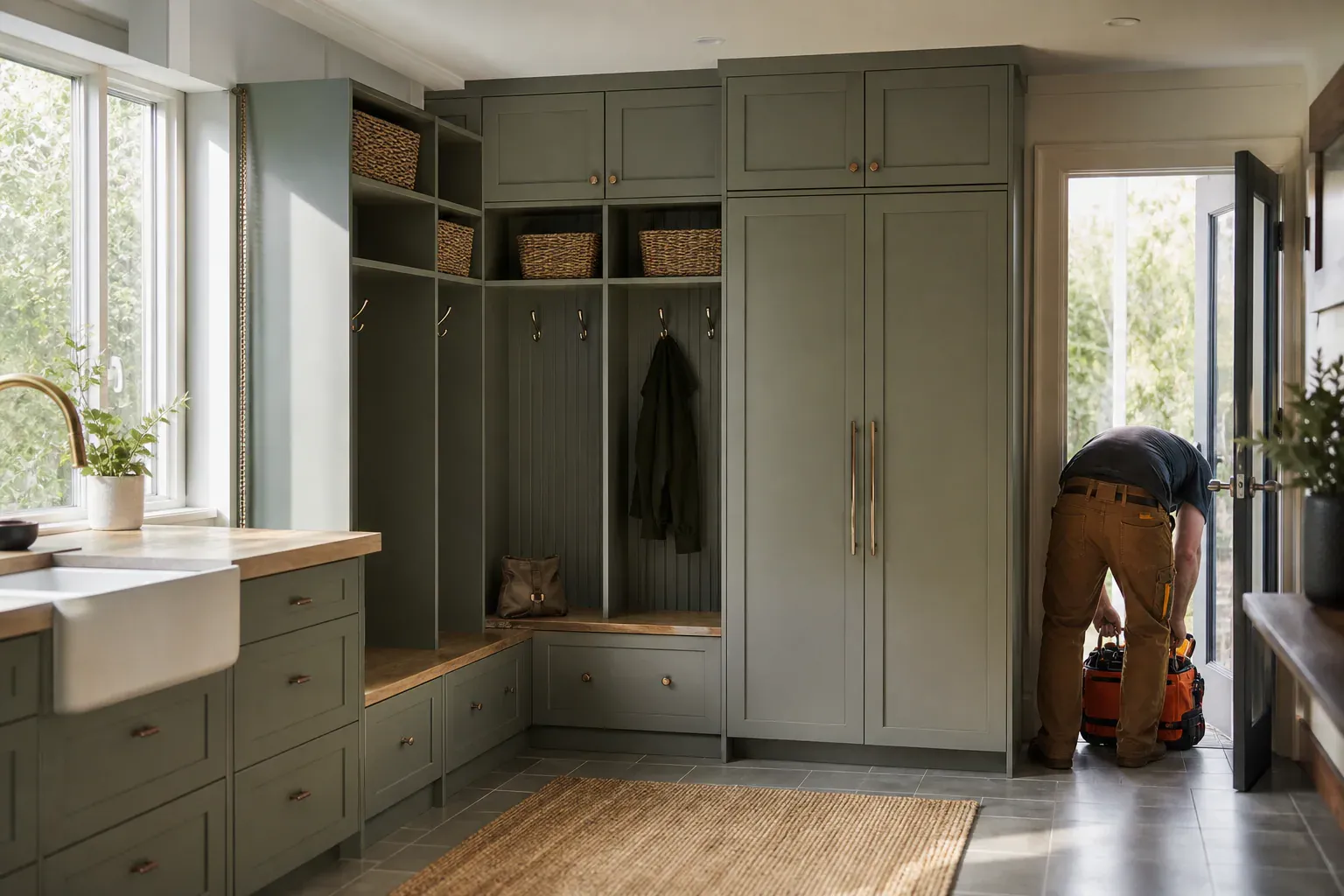
Soft-close hardware makes the kitchen feel expensive and prevents slamming. Soft-close hinges use a hydraulic dampener to slow the door as it closes, rated for tens of thousands of cycles. Soft-close drawers use undermount slides with a similar damper. Both reduce wear on the cabinet and avoid the bang that wakes the household.
Cabinet knobs and pulls come in hundreds of finishes—brushed nickel, black, brass, stainless—and sizes. A standard pull length for a 24-inch-wide door is 3 inches. Wider doors take 4-inch or 5-inch pulls. We offer custom modifications for hardware placement if you want the pull higher or lower on a door than standard.
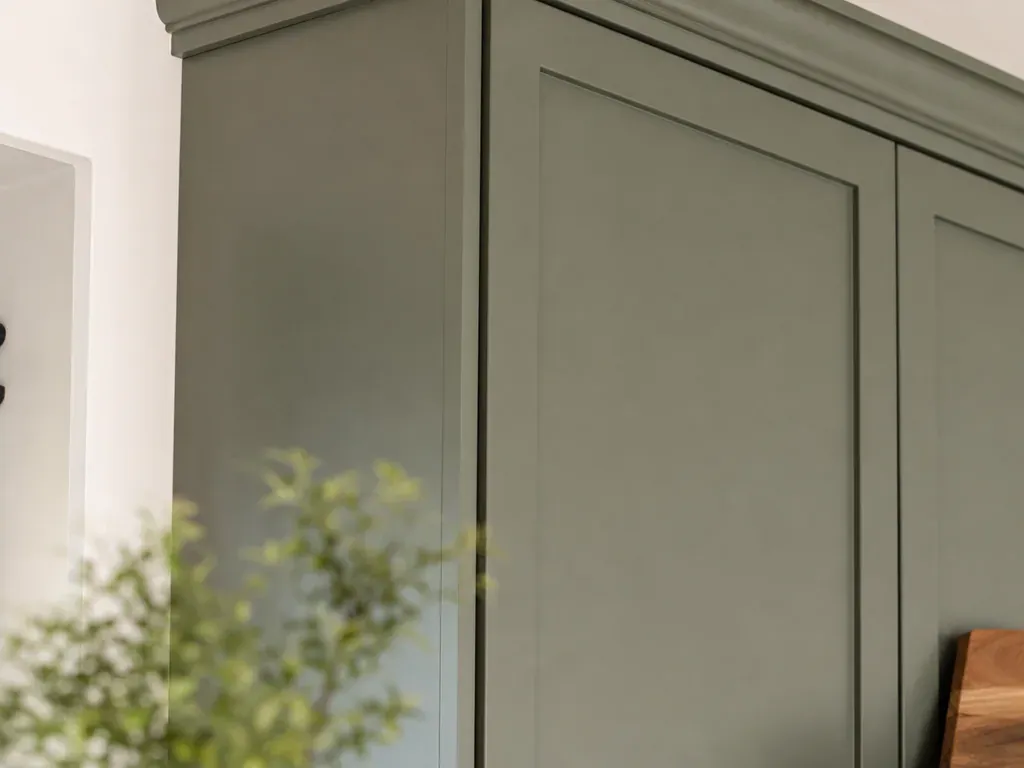
Kitchen islands often carry more weight than base cabinets. If your island has a 12-inch overhang for seating, the countertop will cantilever and need corbels or steel brackets to support it. Island cabinetry is built with heavier box construction to handle that load.
Bathroom vanity cabinets need moisture resistance. We build vanities with plywood at the toe kick instead of MDF because wet bathrooms cause swelling in engineered materials. Vanity cabinet design must account for the sink basin, faucet supply lines, and drain, all of which constrain available storage.
Closet and storage cabinets for offices, hallways, or utility areas use the same construction but are often built open-back to save material and weight. Shaker cabinets work across all three applications and maintain visual consistency through the home.
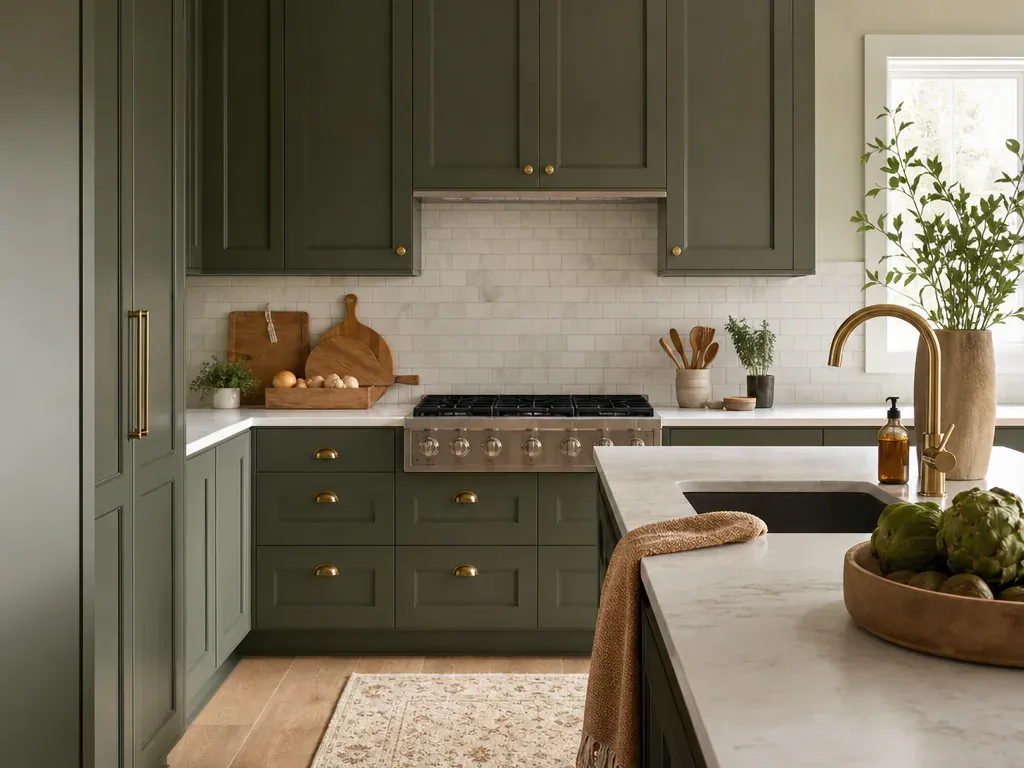
Installation starts with finding the level line for the base cabinets. Building code calls for a base height of 34.5 inches, and we shim the cabinets up and level them to that mark using shims and a 4-foot level. Upper cabinets go in next, secured to the studs behind the wall. End panels are scribed to uneven walls so they fit flush instead of leaving gaps.
Granite and quartz countertops are common pairing options with custom cabinetry. Granite is durable and heat-resistant but requires annual sealing. Quartz is non-porous, does not require sealing, and resists staining. Both add value and long-term durability to your kitchen or bathroom.
Lead time from final design approval to delivery and installation typically runs 6 to 10 weeks. Painted cabinets can be faster on an expedited schedule. Stain-grade work takes longer because the wood has to be selected, milled, stained, and inspected for color match. Change orders made after design approval will delay the job, so we finalize all details during the design consultation.
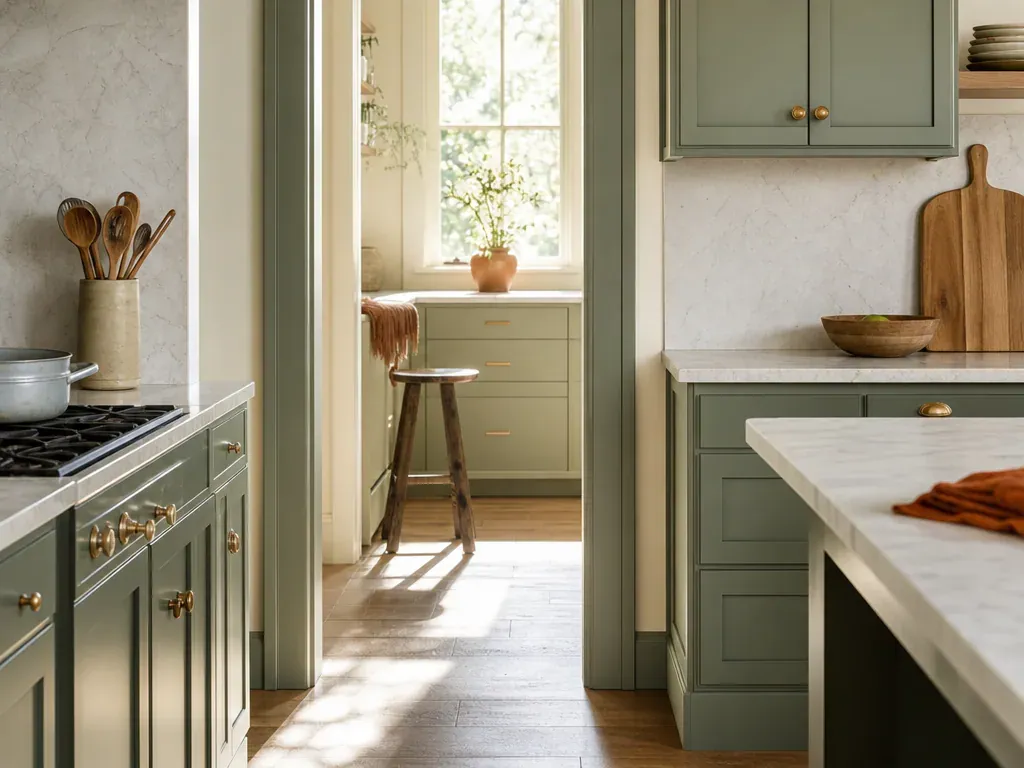
Kitchen remodeling with cabinets often involves custom depth modifications. Standard base cabinets are 24 inches deep, but we can build them 12, 18, or 27 inches deep to fit your space or workflow. A shallower cabinet under a window keeps sightlines open. A deeper cabinet paired with a custom depth countertop adds storage without expanding the footprint.
Commercial cabinetry and office workspace cabinets use the same construction methods as residential kitchens but are often configured as wall-mounted banking or as tall storage lockers. Custom depth modifications are common in commercial work where space efficiency is critical.
We stand behind the work. Most custom cabinet jobs carry a warranty covering box and finish defects from normal use. The warranty excludes damage from misuse, water damage, or refinishing by a third party.
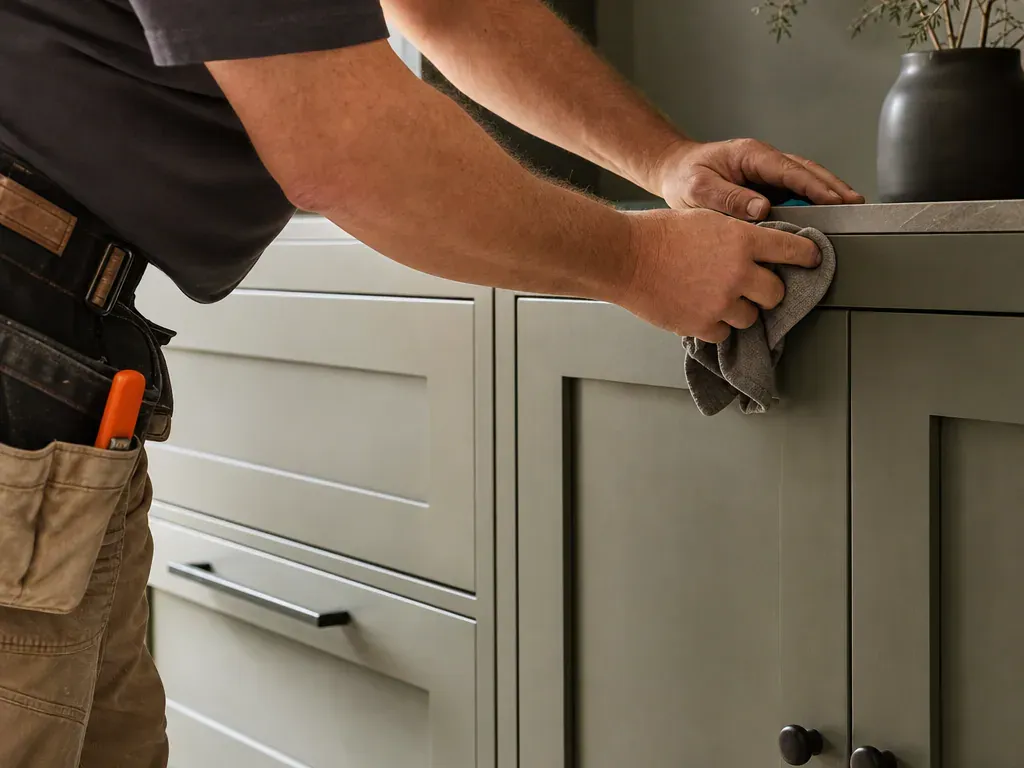
Care for custom cabinets is simple. Use a pH-neutral cleaner and a microfiber cloth. Avoid ammonia-based cleaners on painted finishes because they can dull the sheen over time. Wipe spills promptly, especially near the toe kick where water pools. If a hinge adjusts loose or a soft-close drawer slows down over time, we can service it.
Figuring out what you can spend on cabinets is the first real conversation to have. Cabinet cost scales with material choice, box construction, door style, and finish complexity. Plywood boxes cost more upfront than particleboard but hold up longer and handle moisture better—especially important in Boise kitchens where winter heating dries the air. Soft-close hardware, dovetail drawer boxes, and pre-finished interiors all add cost. A basic semi-custom cabinet job runs different money than full custom built-ins with specialty finishes.
The smart move is to know your total budget before we start designing. Once you tell us what you can spend, we design inside that number. If you want real wood plywood and dovetail drawers everywhere, that money goes further on cabinetry than granite or tile. If the countertop is your priority, we spec out cabinets that do the job well without the premium finishes. Some jobs work better with ready-to-assemble boxes and custom doors you apply yourself—that's a real option if install labor is the constraint.
We walk through the trade-offs on every estimate. More drawers cost more than the same footprint in cabinet doors. Face-frame construction is cheaper than frameless European-style boxes. Stain and poly takes less time than conversion varnish or lacquer. Any of these choices can be right—it depends on what matters to you and what stays in budget.
Custom kitchen cabinets are designed for your exact space and appliance cutouts, use materials and construction grades you select, and arrive pre-assembled and finished from the shop.
The cabinet box is the working part. All-plywood construction uses 1/2 inch to 3/4 inch plywood for the sides, top, bottom, and back, creating a rigid structure that resists racking and…
Shaker style cabinets remain the most requested profile because they suit both traditional and transitional kitchens.
Soft-close hardware makes the kitchen feel expensive and prevents slamming. Soft-close hinges use a hydraulic dampener to slow the door as it closes, rated for tens of thousands of cycles.
Kitchen islands often carry more weight than base cabinets. If your island has a 12-inch overhang for seating, the countertop will cantilever and need corbels or steel brackets to support…
Installation starts with finding the level line for the base cabinets. Building code calls for a base height of 34.5 inches, and we shim the cabinets up and level them to that mark using…
Why homeowners call us
Every custom cabinets job is scoped and priced in writing, so the number you approve is the number you pay. If something behind the wall changes the work, we stop and price it first.
You speak to the people doing the work, not a call centre, and cover certificates go to your building manager or general contractor on request.
Containment, floor protection and same-day debris removal on every interior job — the space stays usable while the work is going on.
Crews work Boise and the surrounding cities every week, so a walkthrough is usually available within the same week you call.
FAQ
Cost depends on square footage, construction grade, finishes, and hardware. A small kitchen with plywood construction and painted finishes costs less than a large kitchen with hardwood stain work and premium soft-close hardware. Cabinet pricing depends on design time, materials, shop labor, and installation labor. We discuss cabinet pricing and costs during the consultation.
Custom cabinets are designed for your exact layout and built to order. Semi-custom cabinets come from a manufacturer's standard line with width and height options but limited customization. Ready-to-assemble cabinets ship flat-packed and require owner assembly. Custom cabinets fit tighter, use materials you control, and take longer to deliver. Semi-custom is faster and less expensive. Ready-to-assemble is cheapest upfront but requires assembly labor from you.
From final design approval to delivery and installation typically runs 6 to 10 weeks. Painted finishes are often faster. Stain finishes and special wood species selections can extend the timeline. Change orders made after approval will delay the job, so we finalize all details during the design phase.
Custom cabinets fit your space precisely, use better materials, and can be refinished or repaired decades later. Stock cabinets are cheaper upfront but may not fit your layout perfectly. If you plan to stay in your home for years, custom cabinets add value and function. For short-term use, stock or semi-custom may be adequate.
Shaker style cabinets and flat front cabinets remain the most popular profiles because they blend with both traditional and modern kitchens. Painted finishes in whites, grays, and soft blues are trending. Stain finishes in maple and oak remain classic choices that age well.
Maple and quarter-sawn oak are stable species that resist warping in Boise's humidity swings between dry winters and summer heat. Cherry shows more seasonal movement and is riskier in extreme climates. If you prefer cherry, expect minor gaps or movement and plan for thicker panels to minimize cupping.
Call (208) 555-0116 for a walkthrough, usually within the same week.