Custom Cabinet Door Replacement in Boise
Cabinet door replacement means removing old doors and hardware, then hanging new ones on the existing cabinet boxes and hinges.
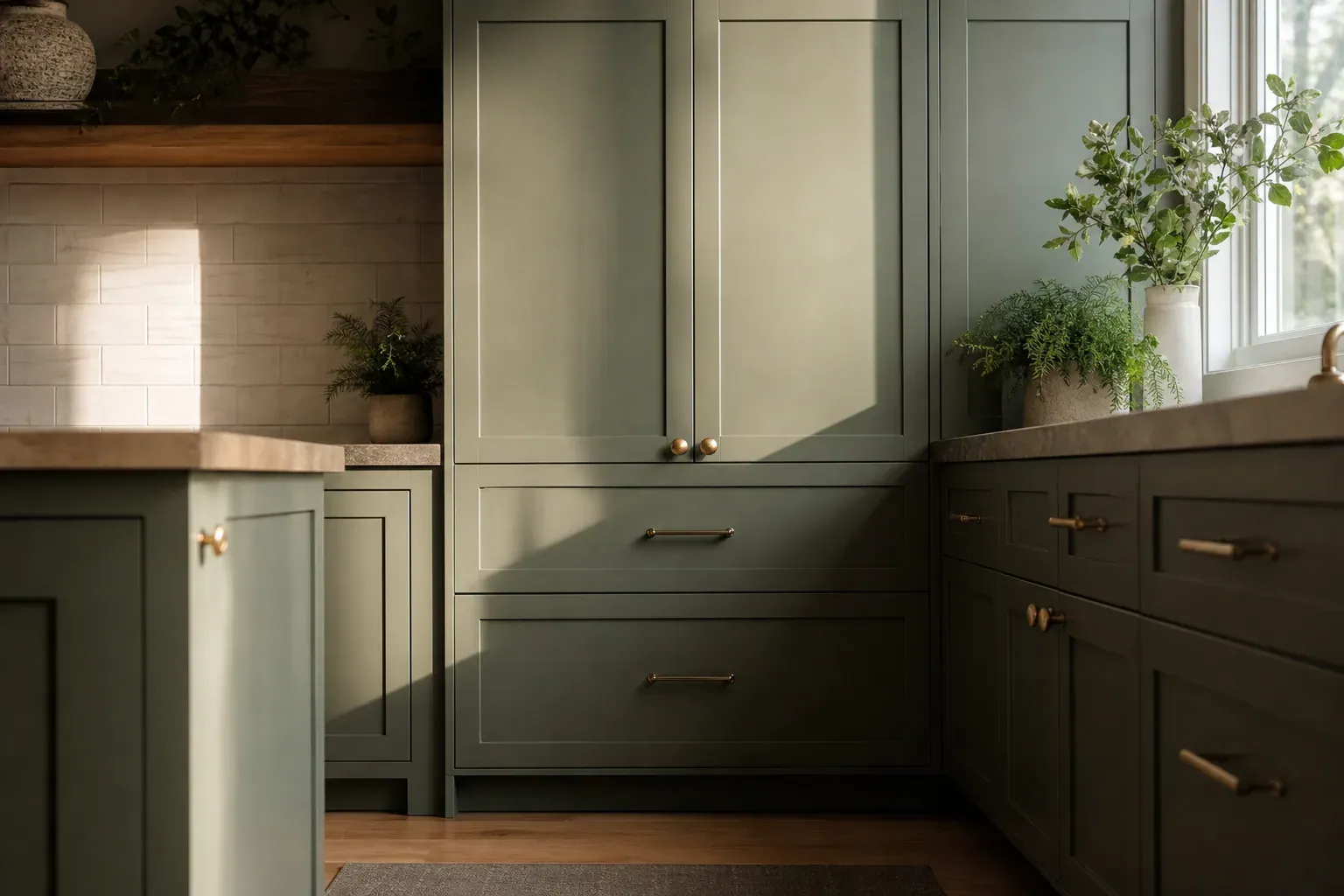
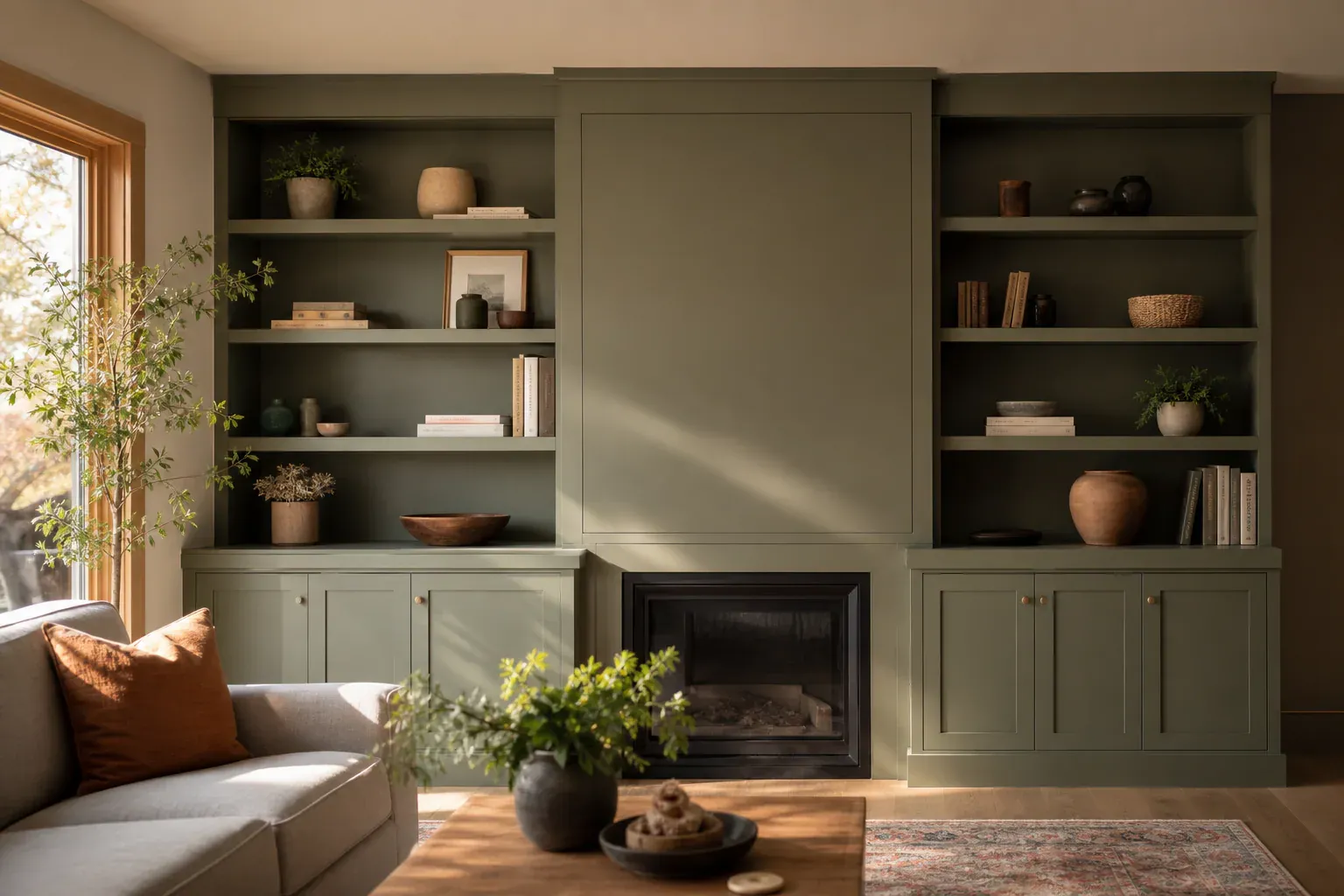
Boise Custom Cabinets provides custom cabinet door replacement, refacing, and made-to-order cabinet doors across Boise, ID. Whether you need new doors for an existing kitchen cabinet run, bathroom vanities, or a complete custom cabinet design, we build and install doors to fit your frames and hardware setup. We work in solid wood, paint-grade MDF, and thermofoil (RTF) options, and handle everything from measurement through hinge boring and final hang so doors work right from day one.
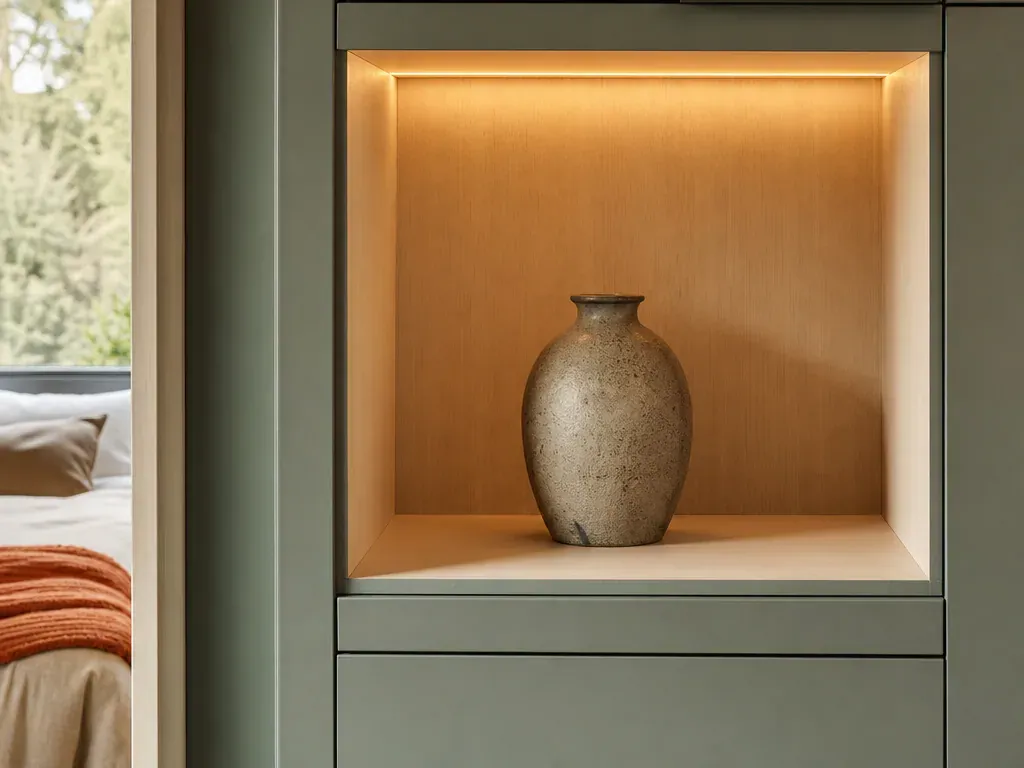
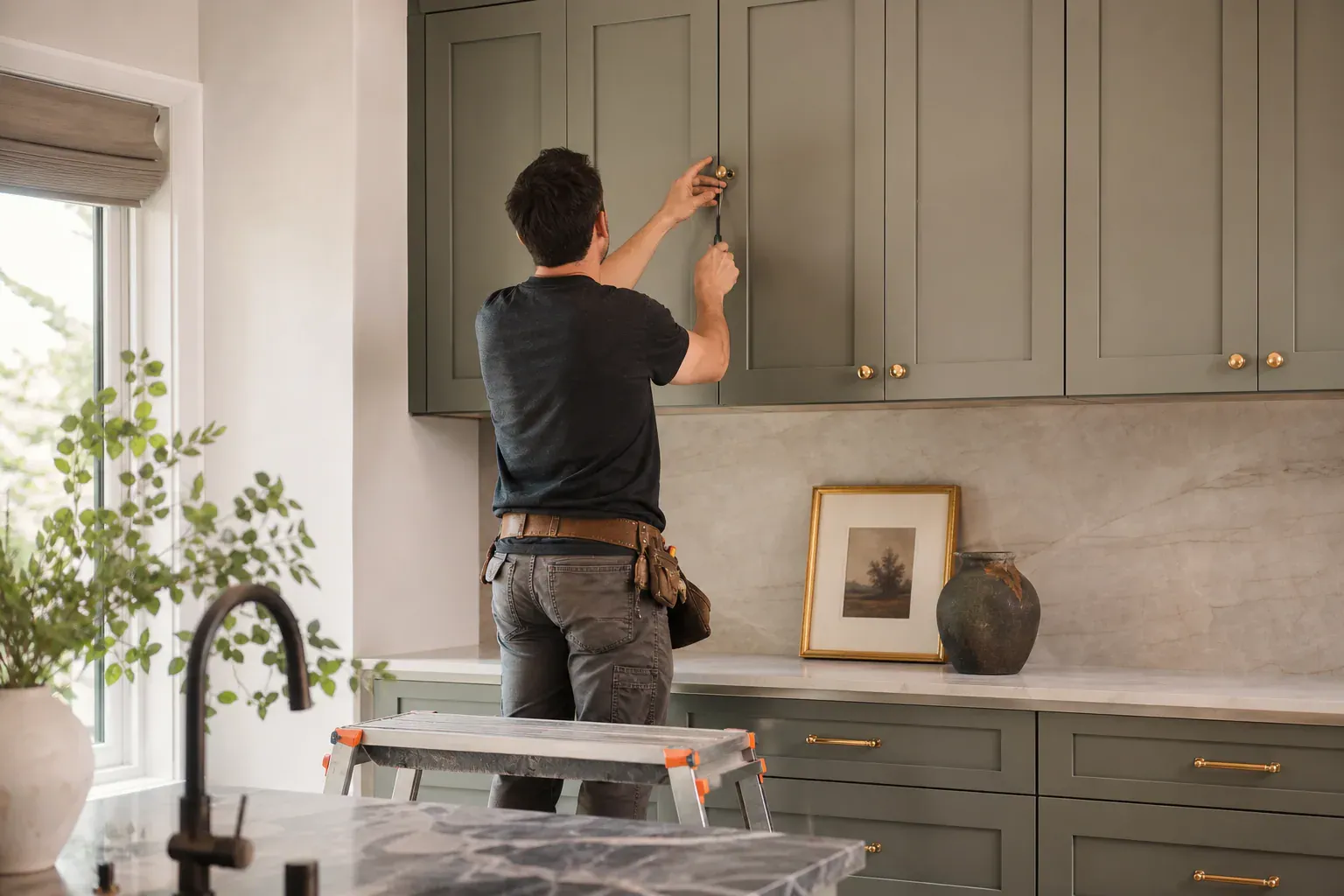
Cabinet door replacement means removing old doors and hardware, then hanging new ones on the existing cabinet boxes and hinges. This is the lowest-cost upgrade path when your cabinet boxes are structurally sound, square, and less than 15 years old. Shaker doors, flat panel doors, and raised panel doors all bolt onto existing hinge cups as long as the face frames aren't warped or water-damaged.
We serve kitchens and bathrooms across Boise—everything from rental unit updates to full remodels. A typical project runs 8 to 20 doors depending on kitchen size. For cabinets with water damage, out-of-square frames, or failed boxes, cabinet refacing or full replacement makes better sense than door-only swaps.
A shaker cabinet door uses a flat recessed center panel set inside a square-edge frame. The framing bead profile runs around the perimeter, giving a clean horizontal and vertical line. Shaker doors suit modern kitchens, farmhouse aesthetics, and minimalist baths.
A flat panel cabinet door is the simplest—a single MDF or solid wood slab with no frame or recessed profile. Flat panels work in contemporary kitchens and take paint finishes evenly.
A raised panel door uses a beveled center panel that sits above the frame plane. The outside edge profile can be ornate or subtle. Raised panel doors read traditional or transitional and pair well with older kitchen cabinet stock.
Matching a door run to an existing cabinet means measuring the outside edge profile on the doors you're keeping. If your kitchen has a 1980s oak raised panel run, ordering new flat panel doors leaves a mismatch even with matching wood species. We bring a profile sample or photo to confirm style continuity before ordering.
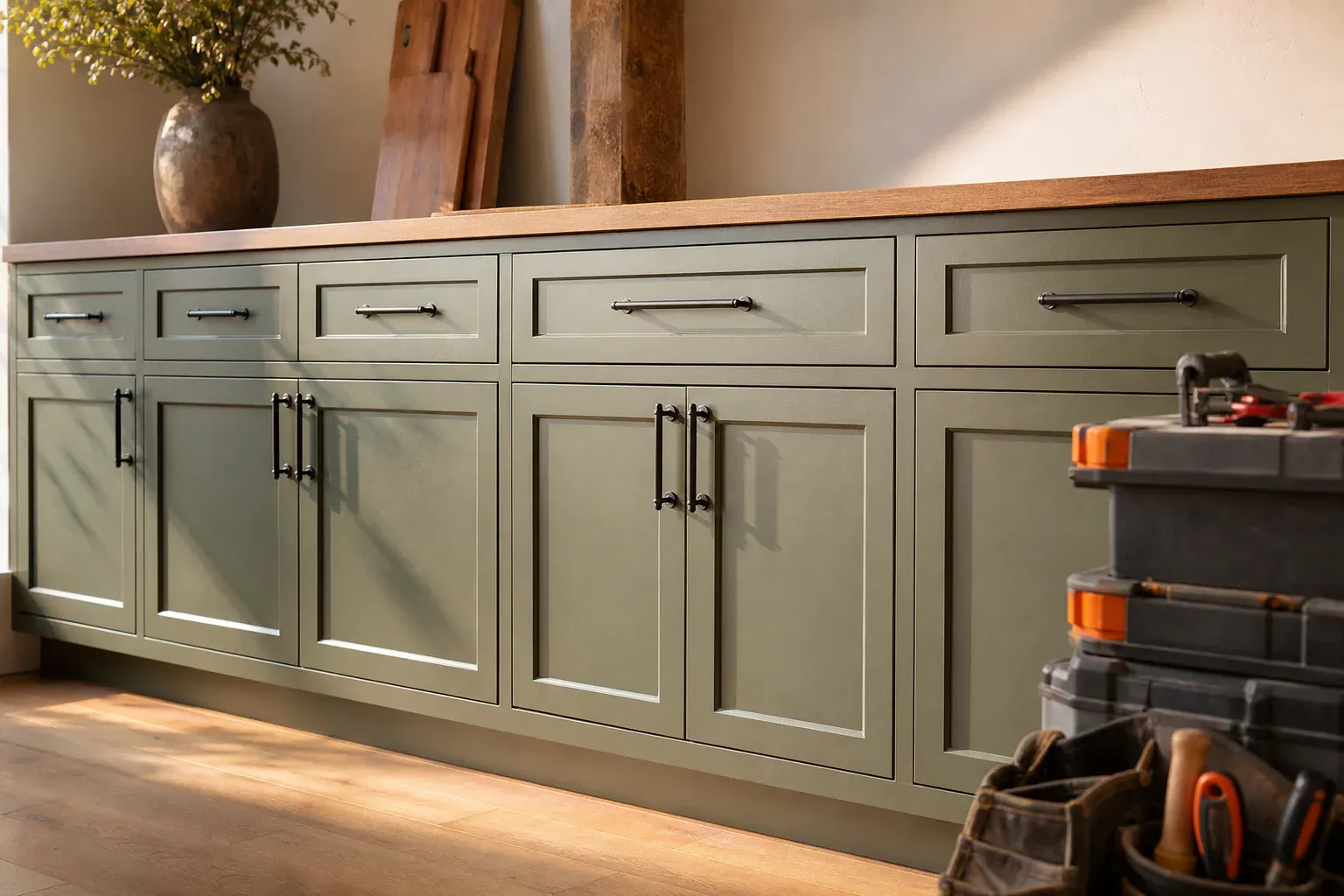
Solid wood doors machine from maple, red oak, white oak, cherry wood, walnut, or other species depending on availability. Maple and red oak take stain evenly and don't shift color much over time. Cherry and walnut darken naturally with UV exposure over the first year and months after installation.
Paint-grade cabinet doors use 5-piece construction with MDF or HDF centers and solid wood stiles and rails. This method resists grain telegraphing—the telegraphing is when wood grain shows through paint over time—and costs less than all-solid doors while holding a paint finish reliably.
Thermofoil (RTF) uses a rigid thermal film pressed over an MDF substrate. The film resists moisture and comes in dozens of colors and textures. Thermofoil can delaminate near heat sources like range hoods or if cabinet interiors run hot and humid, so placement matters.
High-density fiberboard (HDF) holds edge banding and hardware holes more securely than standard MDF. Cabinet door materials are chosen based on your kitchen moisture, heat exposure, budget, and whether you want stain or paint.
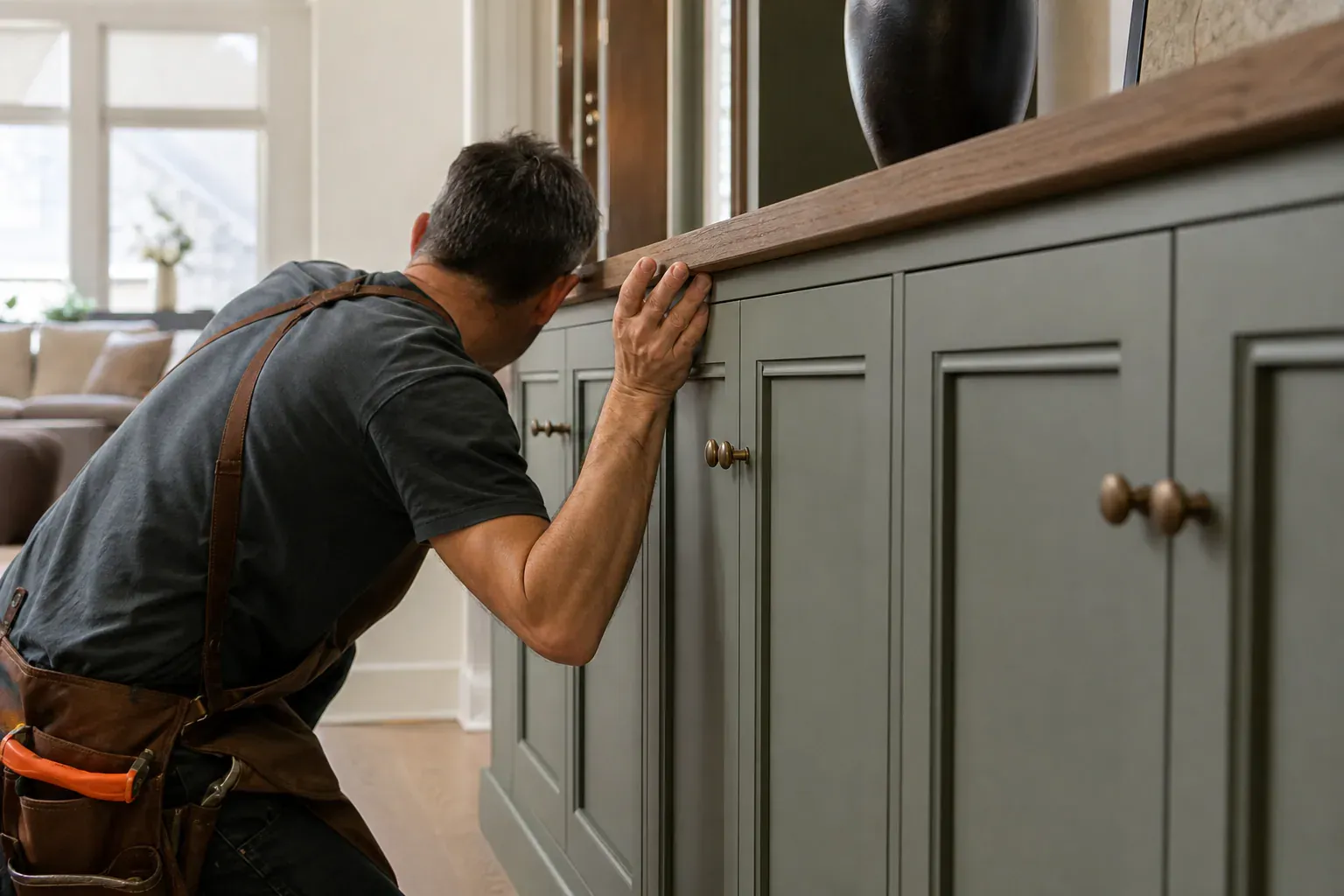
Cabinet doors are cut to custom sizing in 1/16 inch increments to account for reveal gaps around the frame opening. Overlay measurement determines how far the door covers the face frame edge—overlay is usually 3/8 inch on standard frames, meaning the door sits 3/8 inch over the face frame perimeter to hide the edge.
Incorrect overlay measurement is one of the most common mistakes homeowners make when ordering. Overlay too large and doors won't close; too small and gaps show frame edges. We measure existing doors on-site or walk you through the process for door-only orders.
Hinge boring locates cup holes at the standard 35mm bore diameter and is set back per hinge specification. Boring happens before finishing so hinges drop in without rework. This step keeps installation time short and doors hanging square.
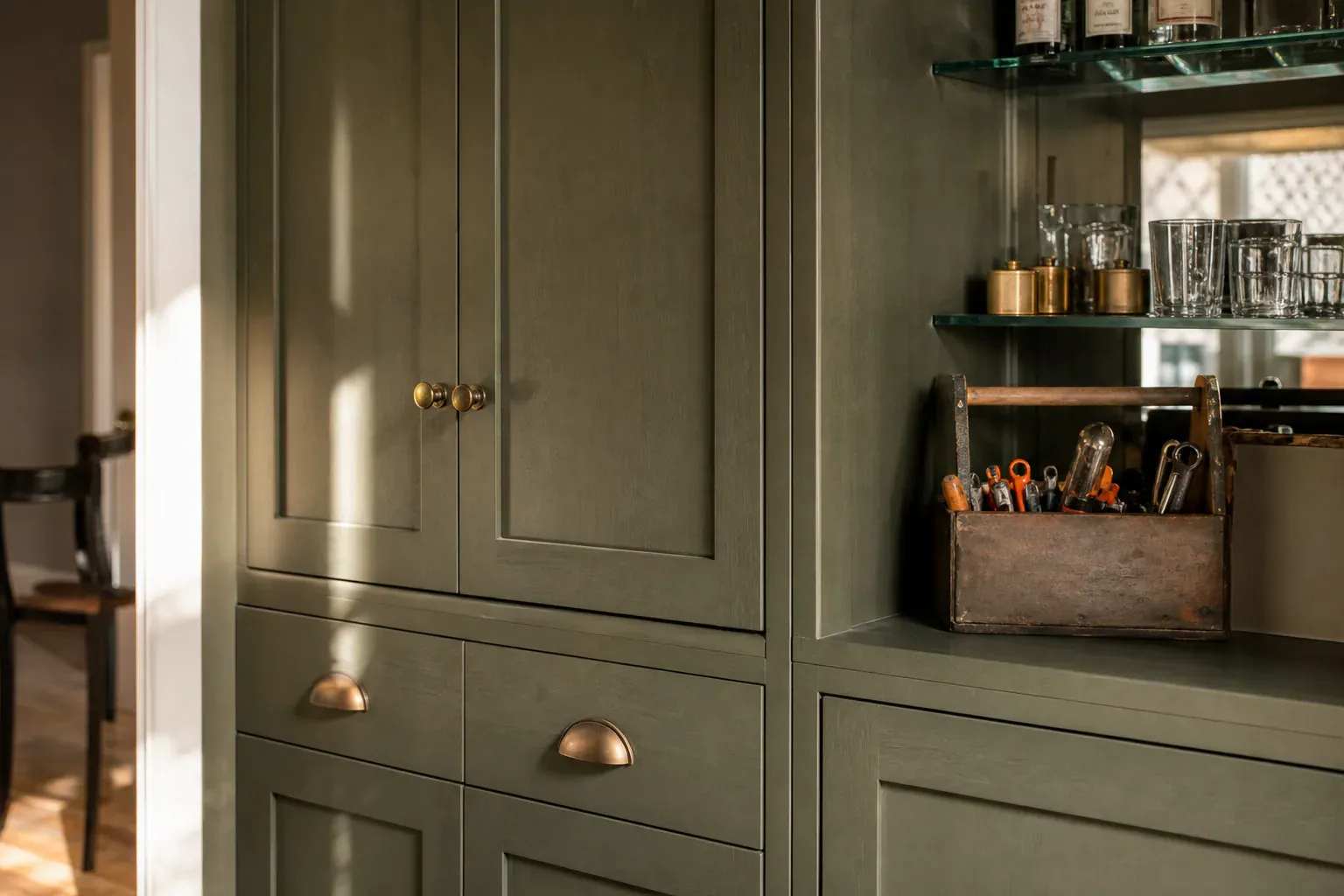
5-piece doors join stiles and rails around a center panel using mortise and tenon joinery for maximum strength or mitered joinery for a seamless corner look. Mortise and tenon holds up better under use; mitered joinery hides the joint and looks seamless but can rack if the cabinet frame moves.
Edge banding seals exposed MDF or HDF edges on slab doors and paint-grade doors so water and humidity don't swell the substrate. Glass-ready cabinet doors use a rabbeted opening and retainer clips instead of a solid center panel, so you can insert a glass pane for display cabinets or open shelving above counters.
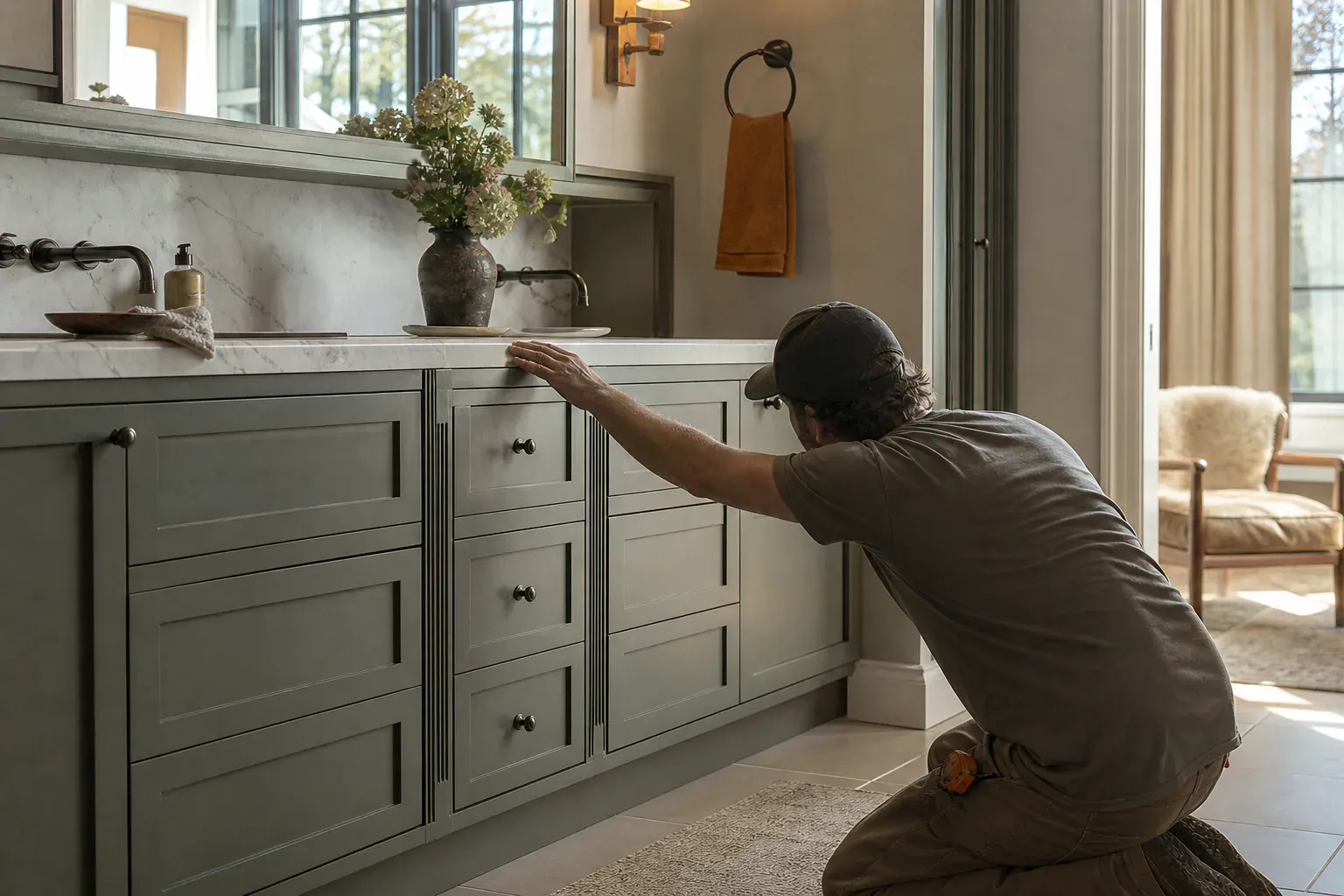
Cabinet door replacement costs the least per opening because no structural work is needed. Refacing adds a veneer or laminate skin to the existing box sides and adds new doors, raising total labor and material cost but keeping the cabinet structure. Full replacement tears out everything—boxes, hinges, hardware, plumbing and electrical rough-ins—and costs the most in labor days and site disruption.
A door-only swap on a 10-door kitchen usually runs the lowest cost tier. Refacing the same kitchen with new doors and veneer skins covers more visual square footage for a mid-tier price. Full cabinet replacement resets everything and is worth the cost when boxes are damaged, plumbing needs to move, or storage layout is being redesigned.
Cost per opening drives the math: single doors cost more per square foot than bulk orders, thermofoil runs higher than paint-grade, and solid wood stain-grade commands more than MDF. Measuring an existing frame accurately before ordering saves the cost of remakes when doors arrive.
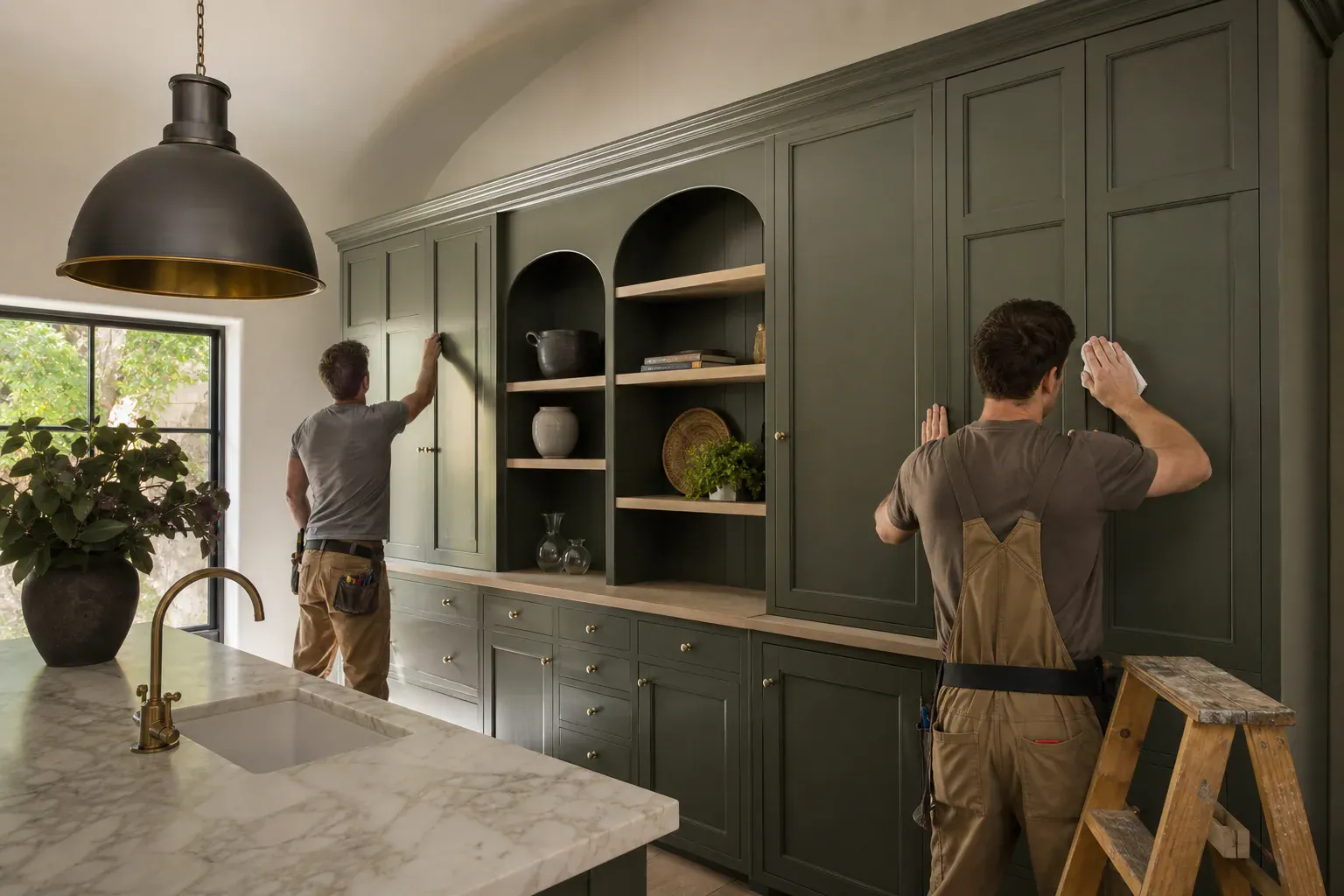
Drawer fronts are ordered in the same overlay measurement and door profile as your cabinet doors to keep reveals consistent across the entire run. A mismatch between drawer front overlay and door overlay reads sloppy and makes kitchens look unfinished.
Hardware holes are pre-drilled to your pull or knob template before finish is applied. Pre-drilling prevents splintering paint-grade finishes and ensures pulls sit straight. Hardware finish—chrome, nickel, oil-rubbed bronze, stainless—coordinates with the door finish and countertop hardware for a complete look.
Paint finishes run from matte to semi-gloss; stain finishes range from light maple to dark walnut. Finish samples are provided so you see how the color reads in your kitchen light before doors are shipped.
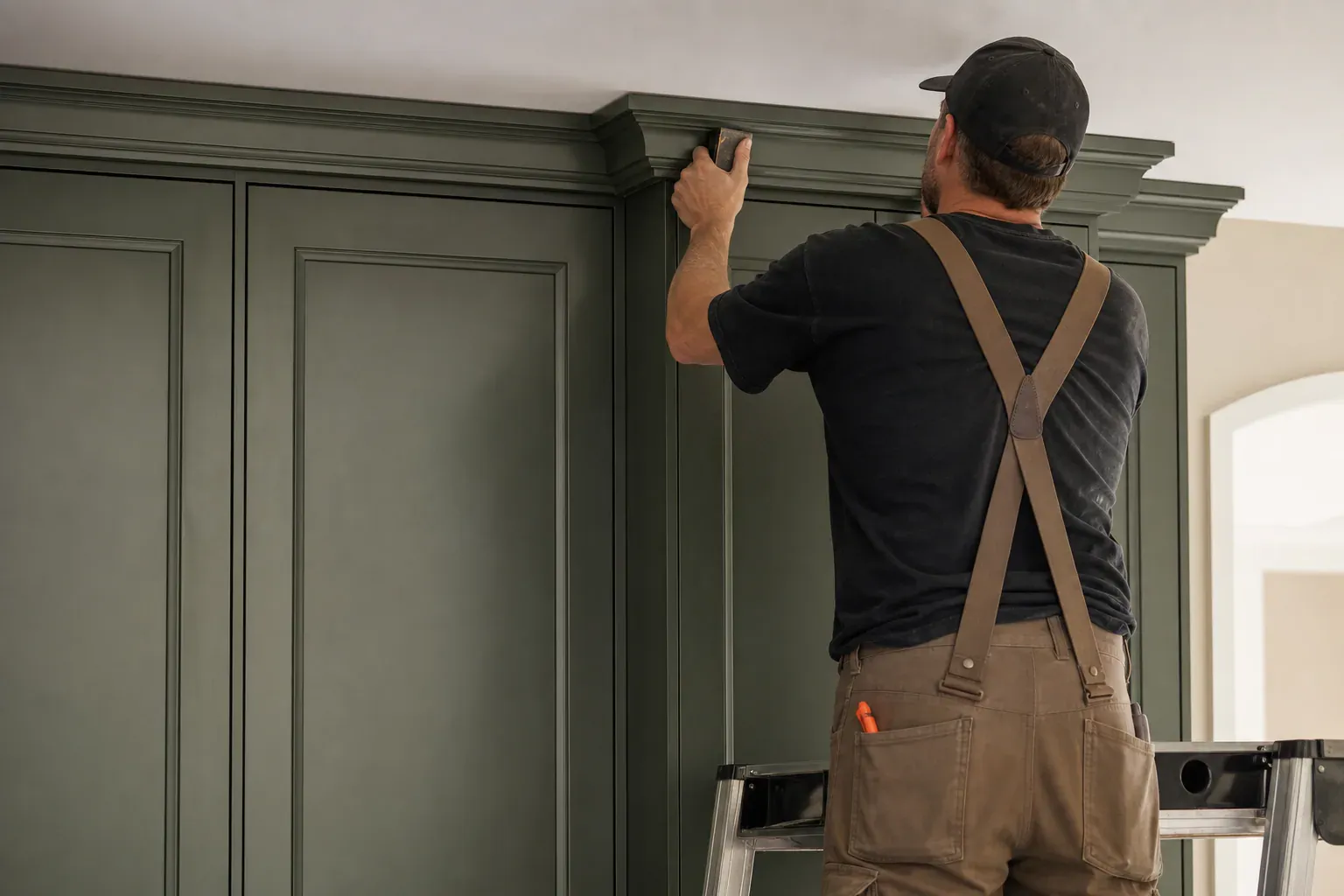
Custom cabinet door orders run several weeks from measurement to finish due to milling, joinery, and finishing time. Rush orders are sometimes available but add cost. Once doors arrive, installation happens in a single day on most kitchen runs.
The install sequence starts with removing old doors and hinges, checking the cabinet frame for square, then hanging new doors starting with a test-fit on the top corners. Hinges are adjusted and tightened, and final boring adjustments are made if needed.
Doors that won't close flush usually trace back to hinge cup depth, unsquared face frames, or warped frame edges—not a defective door. We troubleshoot on-site. Hinge failure after install is rare when boring depth matches the hinge specification. Thermofoil or paint finishes that chip during install can be touched up or refinished depending on the damage.
Inset cabinet doors sit flush inside the cabinet frame instead of overlapping the edges—they require tighter tolerances and more precise hinge boring than overlay doors. We measure the frame opening to the millimeter, then machine the door to fit with a consistent gap all around. The hinge bores must be drilled at exact depths and positions so the door swings freely without binding or sagging over time. A poorly bored hinge hole will cause the door to drop or bind within months, so we use a doweling jig to hold the drill bit perpendicular to the wood and set the depth stop before every hole.
Inset installation means the hinges sit inside the frame rather than on top of it, and the hardware preparation is more demanding. We route the hinge cup mortises into the back of the door so the hinge barrel sits flush. The cabinet frame also needs mortises cut to the same depth so the hinge mounting plate sits square. If either mortise is shallow or misaligned, the door will hang crooked or hit the frame. We account for wood movement too—solid wood doors across a 36-inch width can shift an eighth of an inch with seasonal humidity changes, so we prepare the hardware mounting to allow for that flex without causing binding.
Cabinet door customization options let you go beyond standard stock shapes. You can specify edge banding material, inlay details, decorative router profiles on the stiles and rails, or arched top panels instead of square. We can match an existing door's joinery and profile within the tolerances of your current frame. Some customers bring photos of cabinet doors they like from other homes in Boise, and we build the hinge boring and hardware preparation around whatever door style you choose, whether that is a modern slab door or something with more detailed millwork. The customization happens at the design stage, before we touch the wood, so changes after drilling are expensive.
Cabinet door replacement means removing old doors and hardware, then hanging new ones on the existing cabinet boxes and hinges.
A shaker cabinet door uses a flat recessed center panel set inside a square-edge frame. The framing bead profile runs around the perimeter, giving a clean horizontal and vertical line.
Solid wood doors machine from maple, red oak, white oak, cherry wood, walnut, or other species depending on availability.
Cabinet doors are cut to custom sizing in 1/16 inch increments to account for reveal gaps around the frame opening.
5-piece doors join stiles and rails around a center panel using mortise and tenon joinery for maximum strength or mitered joinery for a seamless corner look.
Cabinet door replacement costs the least per opening because no structural work is needed. Refacing adds a veneer or laminate skin to the existing box sides and adds new doors, raising…
Why homeowners call us
Every custom cabinets job is scoped and priced in writing, so the number you approve is the number you pay. If something behind the wall changes the work, we stop and price it first.
You speak to the people doing the work, not a call centre, and cover certificates go to your building manager or general contractor on request.
Containment, floor protection and same-day debris removal on every interior job — the space stays usable while the work is going on.
Crews work Boise and the surrounding cities every week, so a walkthrough is usually available within the same week you call.
FAQ
Cabinet door cost depends on material, style, and order size. Paint-grade MDF doors cost less per opening than solid wood or thermofoil. A 10-door kitchen in shaker profile paint-grade usually runs lower cost than the same run in cherry wood stain. Custom sizing, hinge boring, and delivery add to the final price. Request a measurement and quote to see installed cost for your specific frame size and style.
Door replacement is always the cheapest option if your cabinet boxes and frames are square and undamaged. Refacing adds veneer or laminate to box sides plus new doors and costs more but avoids removing plumbing or electrical. Full replacement tears out everything and costs most in labor and site prep. If boxes are water-damaged or frames are warped, refacing or replacement is necessary.
Yes, as long as cabinet boxes are square, the face frames aren't warped, and your hinges are in working order. Doors bolt onto existing hinge cups in most kitchens under 15 years old. Water-damaged boxes or failed frames require refacing or replacement instead of door-only swaps. We assess your frames during the measurement visit.
There is no single standard—doors are cut to custom sizing in 1/16 inch increments to fit your specific frame openings. Overlay measurement (how far the door extends over the face frame) is typically 3/8 inch but varies by style. We measure existing frames and order doors sized to your exact openings so they hang without trimming or shimming.
Yes, when properly constructed. MDF in 5-piece doors with solid wood stiles and rails holds up well to kitchen use. Edge banding seals exposed MDF edges so moisture doesn't swell the substrate. Thermofoil over MDF can delaminate near heat, so placement near ranges matters. Paint-grade MDF doors last as long as solid wood doors when kept away from standing water and direct steam.
Cabinet doors typically last 15 to 25 years with normal kitchen use. Solid wood lasts longest; paint-grade and thermofoil last slightly less if exposed to high heat or humidity. Hinge failure or paint chipping are the first signs of age, not structural failure. Doors can be refinished or rehung on new hinges to extend life. Water exposure, steam, and heat near the stove are the main causes of premature failure.
Call (208) 555-0116 for a walkthrough, usually within the same week.